Section 4 of 4
The technology underneath
Fibre against cable against fixed wireless, Starlink's published speeds, 5G home internet, DOCSIS upgrades, symmetrical upload as the thing cable cannot easily do, and digital navigators as a separate problem from the line in the street.
-

Three Ways to Wire a Block, and Why They Are Not Equivalent
Compares fibre-to-the-premises, coaxial HFC cable and fixed wireless access on the technical properties that matter for the FCC's 100/20 definition: symmetry, congestion characteristics and the capital cost structure of each. Not a buying guide — a technical comparison of infrastructure types.
-
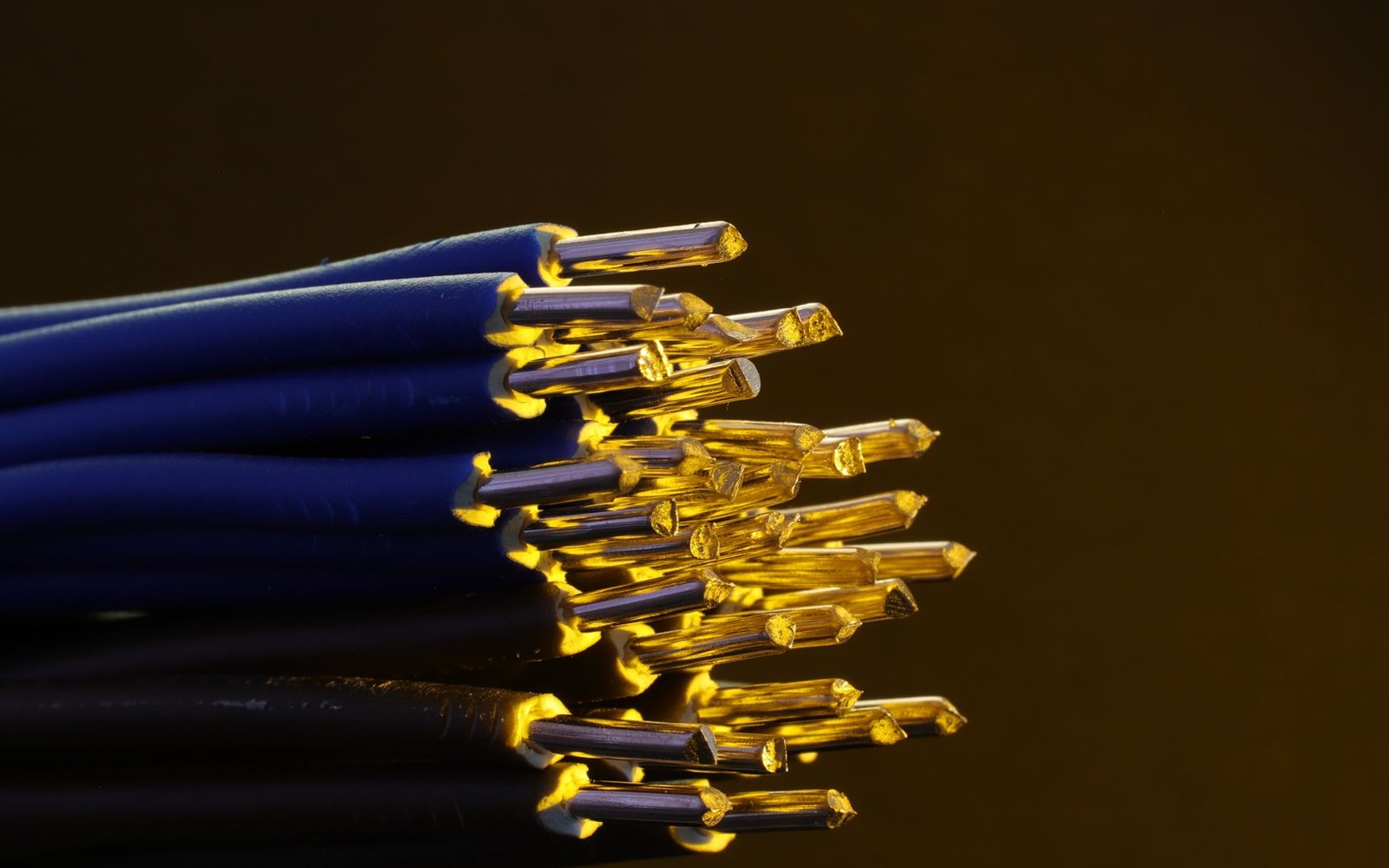
Cable Was Designed to Send Far More Than It Receives
Explains why coaxial cable plant produces asymmetrical throughput by design, what DOCSIS 3.1 and DOCSIS 4.0 upgrades change and what they do not, and why the FCC's 20 Mbps upload threshold in its 2024 definition is the harder number for an HFC network to meet at scale.
-

Starlink's Published Numbers, Against the FCC Definition
Sets out SpaceX Starlink's published median download and upload speeds from Ookla and M-Lab datasets against the FCC's 100/20 Mbps benchmark, noting latency characteristics of low-earth-orbit satellite and the service's geographic coverage claims as of the most recently attributed measurement period.
-
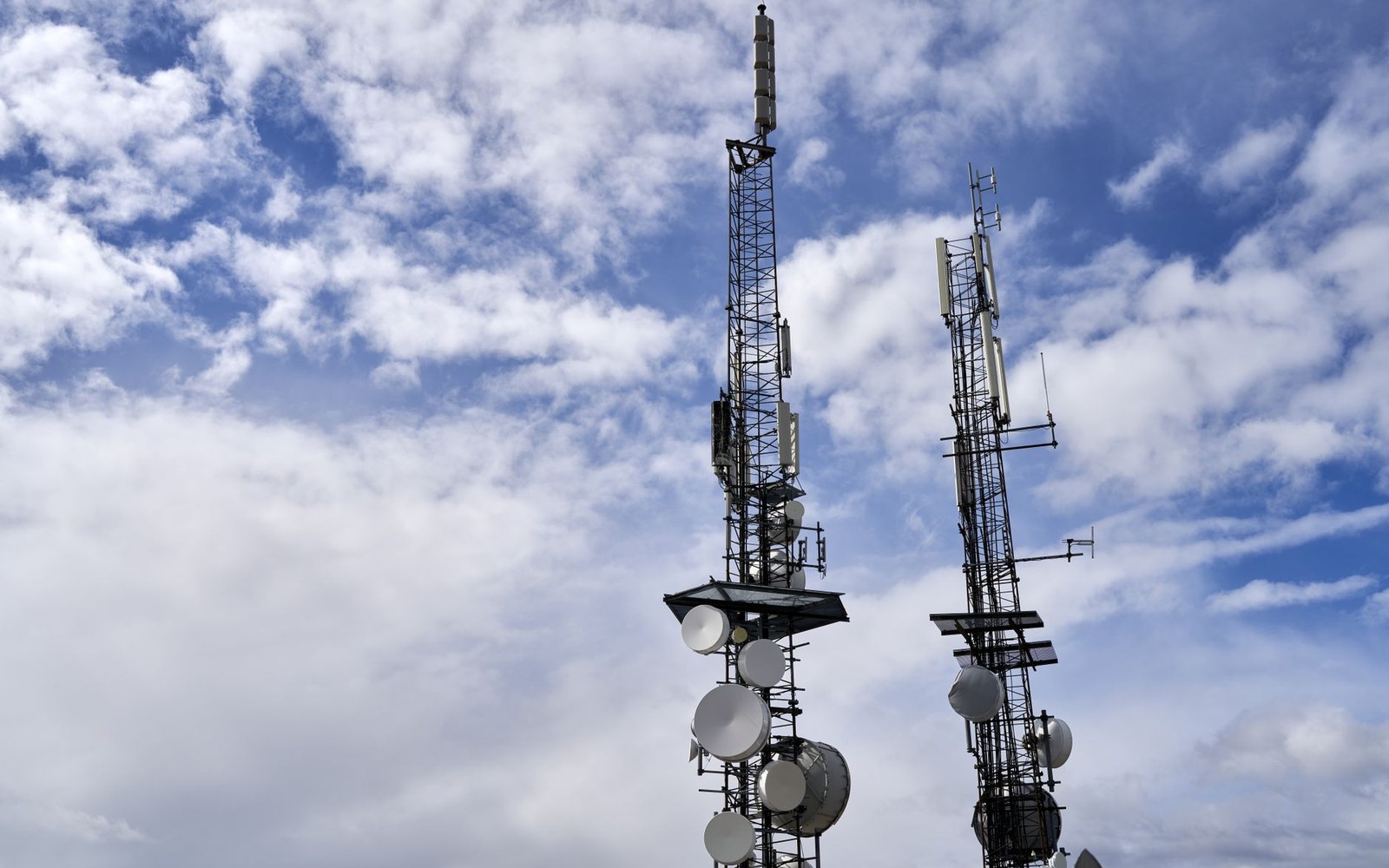
T-Mobile and Verizon Arrived at the Fixed-Wireless Market From the Wrong Direction
Documents T-Mobile Home Internet and Verizon 5G Home Internet as fixed wireless products built on mobile spectrum — their published coverage maps, speed tiers, and the network capacity tradeoffs that make them a competitive surprise in markets with weak cable incumbents.
-

A Device and a Place to Use It Are a Separate Problem From the Line in the Street
Explains the digital navigator model — trained community workers who help households with device access, software literacy and subscription enrollment — and distinguishes it from infrastructure deployment as a complementary rather than competing intervention.
-
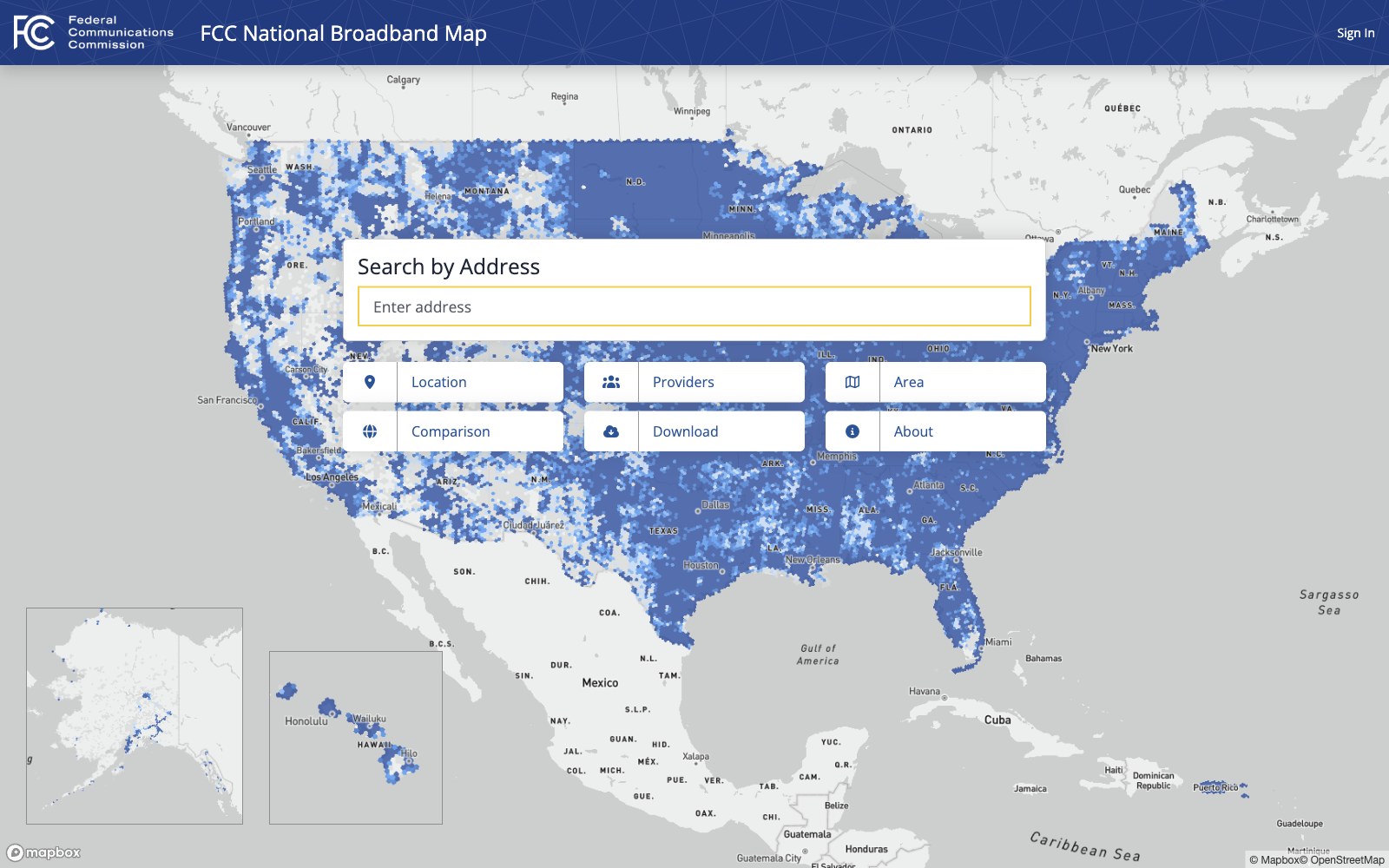
What the Speed-Test Data Actually Measures, and What It Misses
Examines Ookla Speedtest and M-Lab's Network Diagnostic Tool as broadband measurement instruments — what each test measures, how sampling bias affects results, and why neither dataset alone resolves disputes about whether an address is served.
-
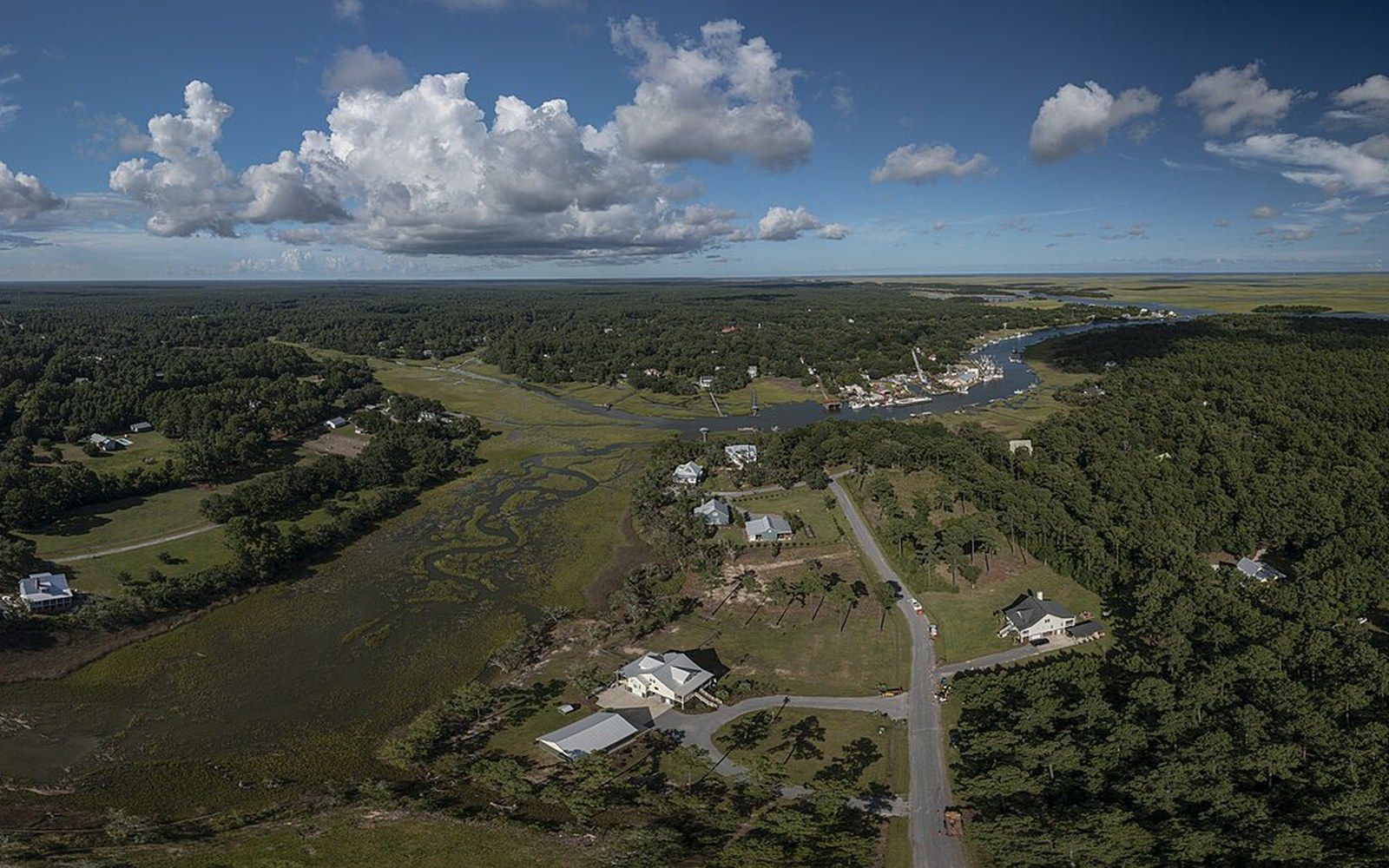
The Institute for Local Self-Reliance Has Been Counting Since Before It Was Fashionable
Describes the ILSR Community Broadband Networks Initiative's community network map and case-study archive as a research resource — what it tracks, how it is maintained, and which of its documented networks appear most frequently in municipal feasibility studies.