The village on the door
Skokie owns the fibre under its own streets. Most of the country is still waiting for somebody else to lay it.
The Infrastructure Investment and Jobs Act put $42.45bn into broadband construction in 2021. By 2025, almost none of it had been spent.
23 million households were having part of the monthly bill paid by the Affordable Connectivity Program when it ran out of money in June 2024. Enrollment as published by the FCC and USAC.
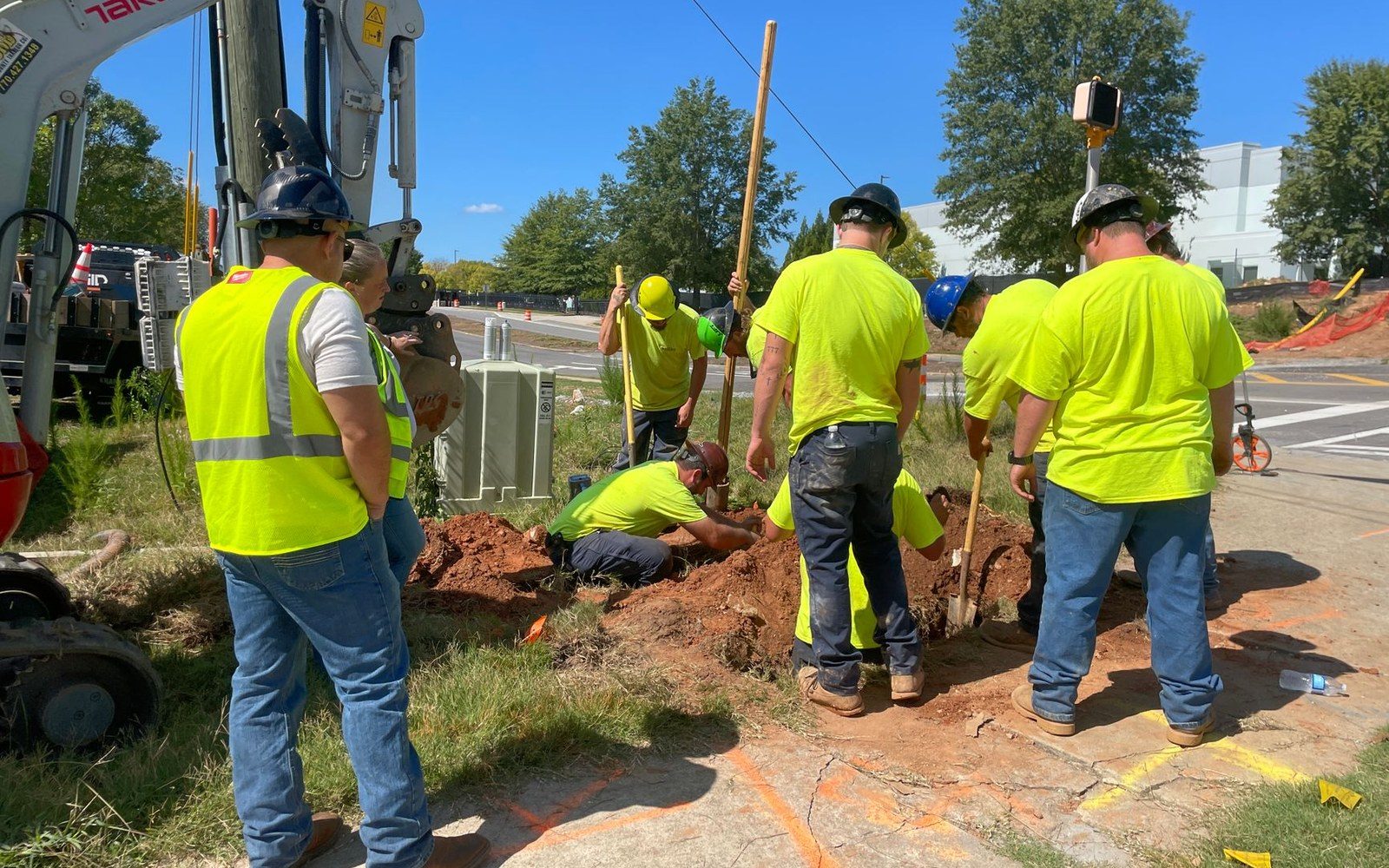
Conduit goes in the parkway strip between sidewalk and kerb, which is why a build is costed in street-miles before it is costed in households.
Photo: Miguel Castillo / Pexels
Section 1 of 4
The money, and where it stalled
The appropriation, the approval process it has to pass through, the subsidy that expired in June 2024, and the definition change that moved the line to 100/20 Mbps.
6 pieces →The appropriation
$42.45
billion dollars
Appropriated for broadband construction in 2021 and handed to the states through the NTIA's BEAD programme. Every state's plan has to be approved before ground is broken, and by 2025 almost none of the money had been spent.
Infrastructure Investment and Jobs Act, 2021 · NTIA published programme documents
Section 2 of 4
Towns that built it themselves
Municipal utilities, electric co-operatives and open-access towns — and the roughly twenty state statutes written to stop them.
8 pieces →Four places that own the cable
Somebody has to own the cable, and in a few hundred places it is the town
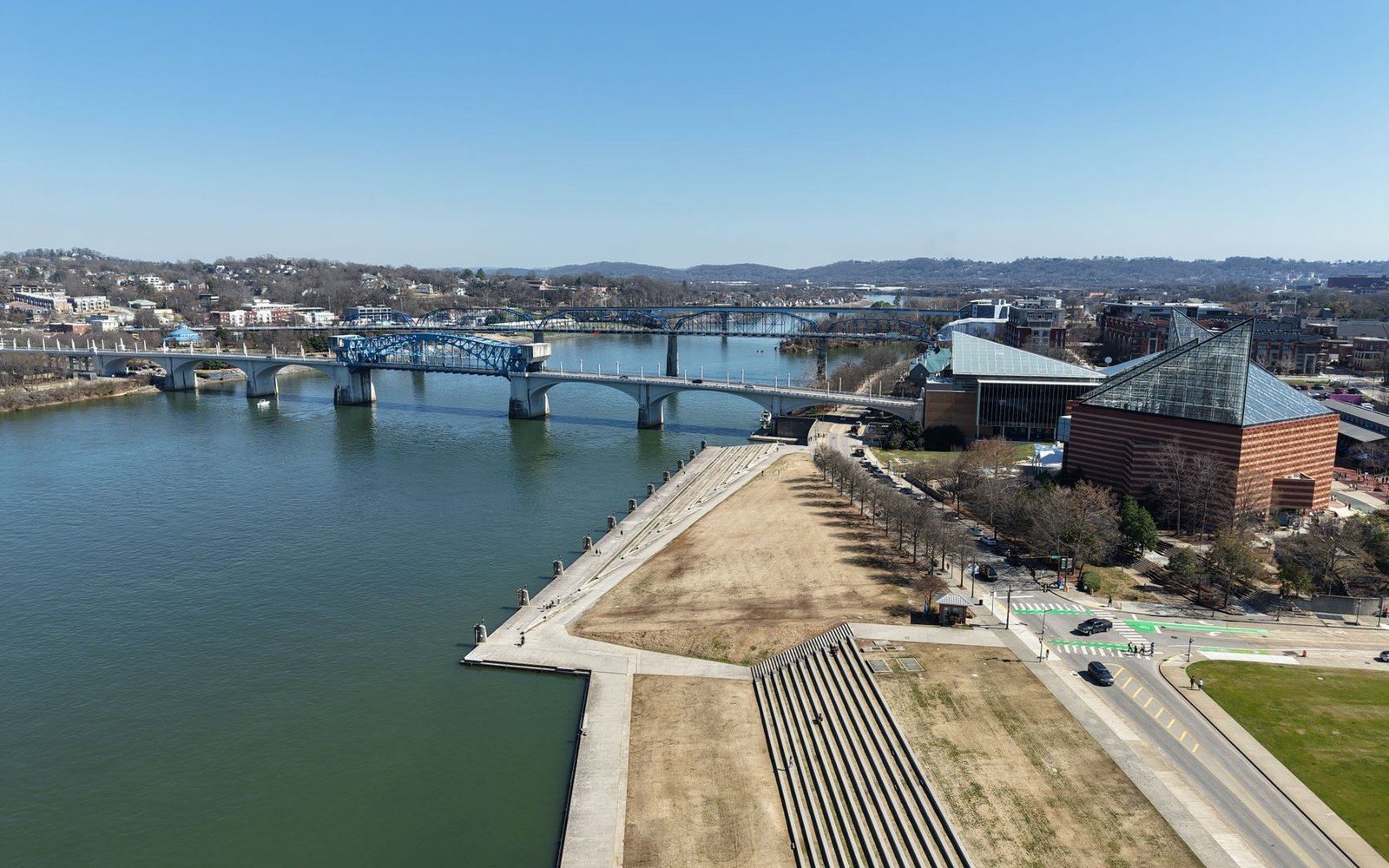
EPB Switched On a Citywide Fibre Utility in 2010, and the Argument Did Not Stop
A full account of Chattanooga's Electric Power Board: the 2010 launch of citywide fibre, the gigabit-to-every-home claim, the utility's dual role carrying power telemetry and retail broadband, and the fourteen years of feasibility studies from other cities that cite it.
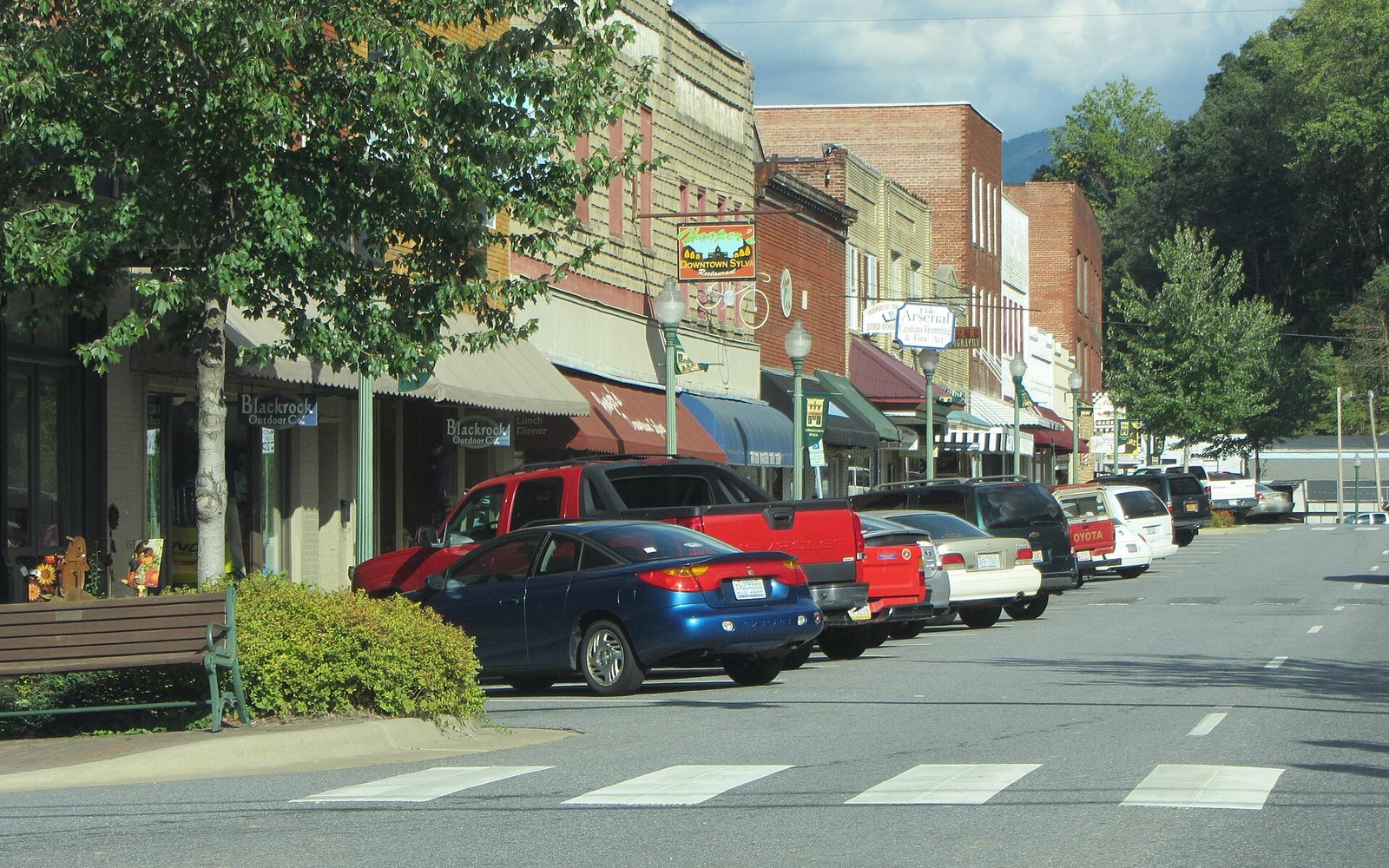
Wilson Built Greenlight, Then North Carolina Wrote a Law About It
Recounts the construction of Wilson's Greenlight network, the passage of North Carolina's Level Playing Field Act after it was already in the ground, and the network's continuing operation.
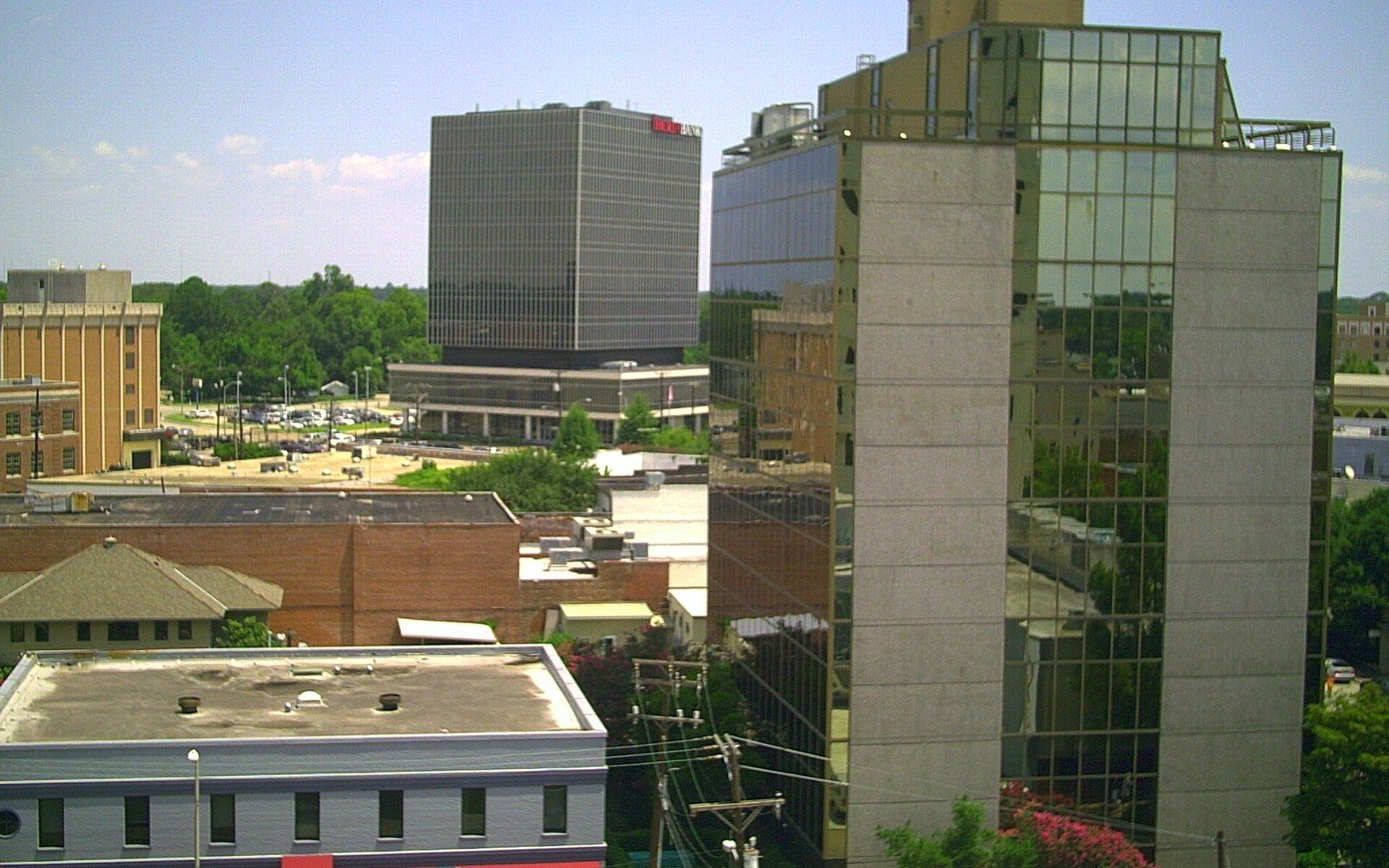
Lafayette's Power Company Became Its Internet Provider
Documents Lafayette, Louisiana's LUS Fiber — how the city utility authority extended from electricity to fibre broadband, the legal challenges it faced before launch, and its standing as a municipal utility-owned network within a state that did not bar it.
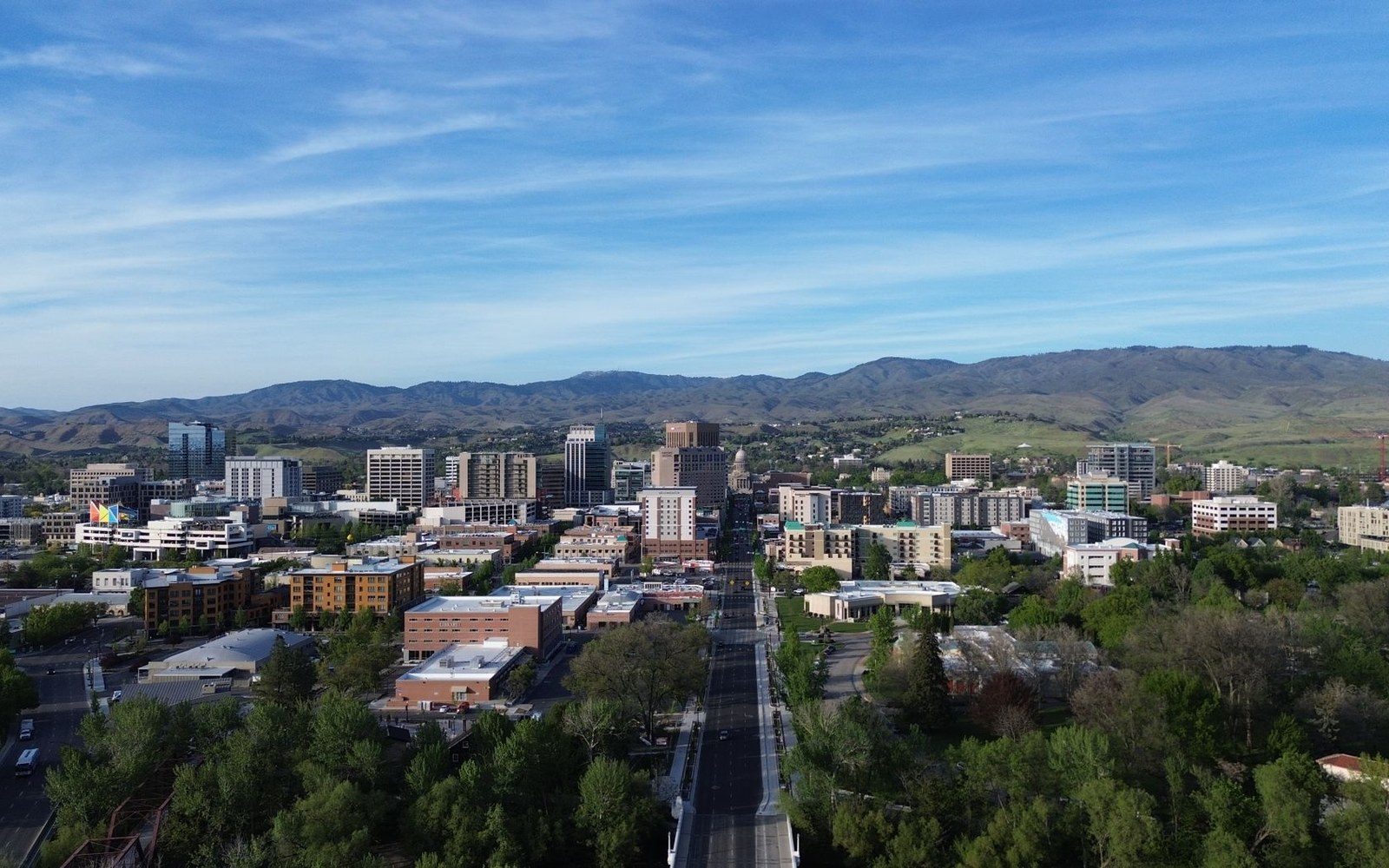
Ammon Owns the Strand and Lets Providers Compete on It
Explains Ammon, Idaho's open-access model — the city owns the conduit and fibre, providers lease capacity and compete for customers on the same physical plant, and residents choose among them.

Section 3 of 4
Skokie and the North Shore
The village fibre network, the library that was a public access point before home broadband was ordinary, the museum that opened in 2009, and the board documents that record the decisions.
5 pieces →Where these networks are
Skokie sits north of Chicago, between Evanston and Morton Grove. Service in one suburb is not service in the next.
The six networks this site follows most closely, at their real coordinates. The shaded states are the ones with a piece on this site.
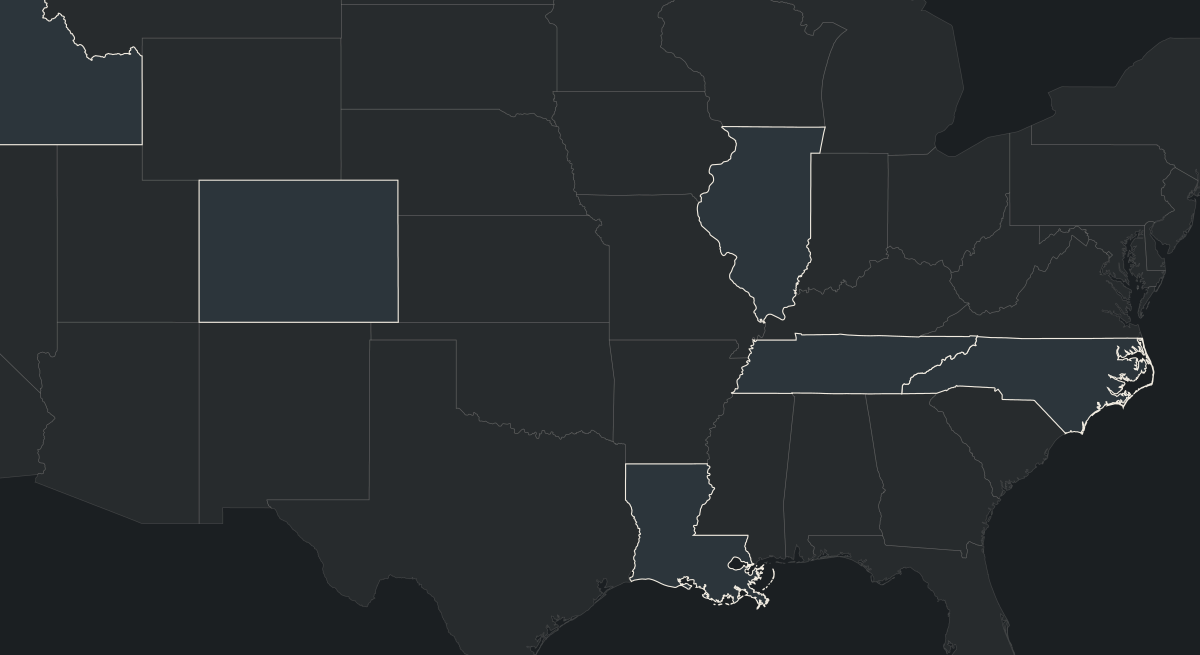
Geometry: skokienet map kit
- SkokieIllinoisVillage-owned fibre under its own streets
- ChattanoogaTennesseeEPB, a municipal electric utility, since 2010
- WilsonNorth CarolinaGreenlight, city-owned, kept through a state statute
- LafayetteLouisianaLUS Fiber, a division of the city utility
- Fort CollinsColoradoAuthorised by ballot measure in 2017
- AmmonIdahoOpen access: the city owns the strand

Section 4 of 4
The technology underneath
Fibre against cable against fixed wireless, what DOCSIS upgrades change, the published speeds of low-earth-orbit satellite, and why upload is the hard half of the definition.
7 pieces →