The technology underneath
T-Mobile and Verizon Arrived at the Fixed-Wireless Market From the Wrong Direction
Two mobile carriers now sell home internet. The antenna is on your roof; the cell tower does the work.
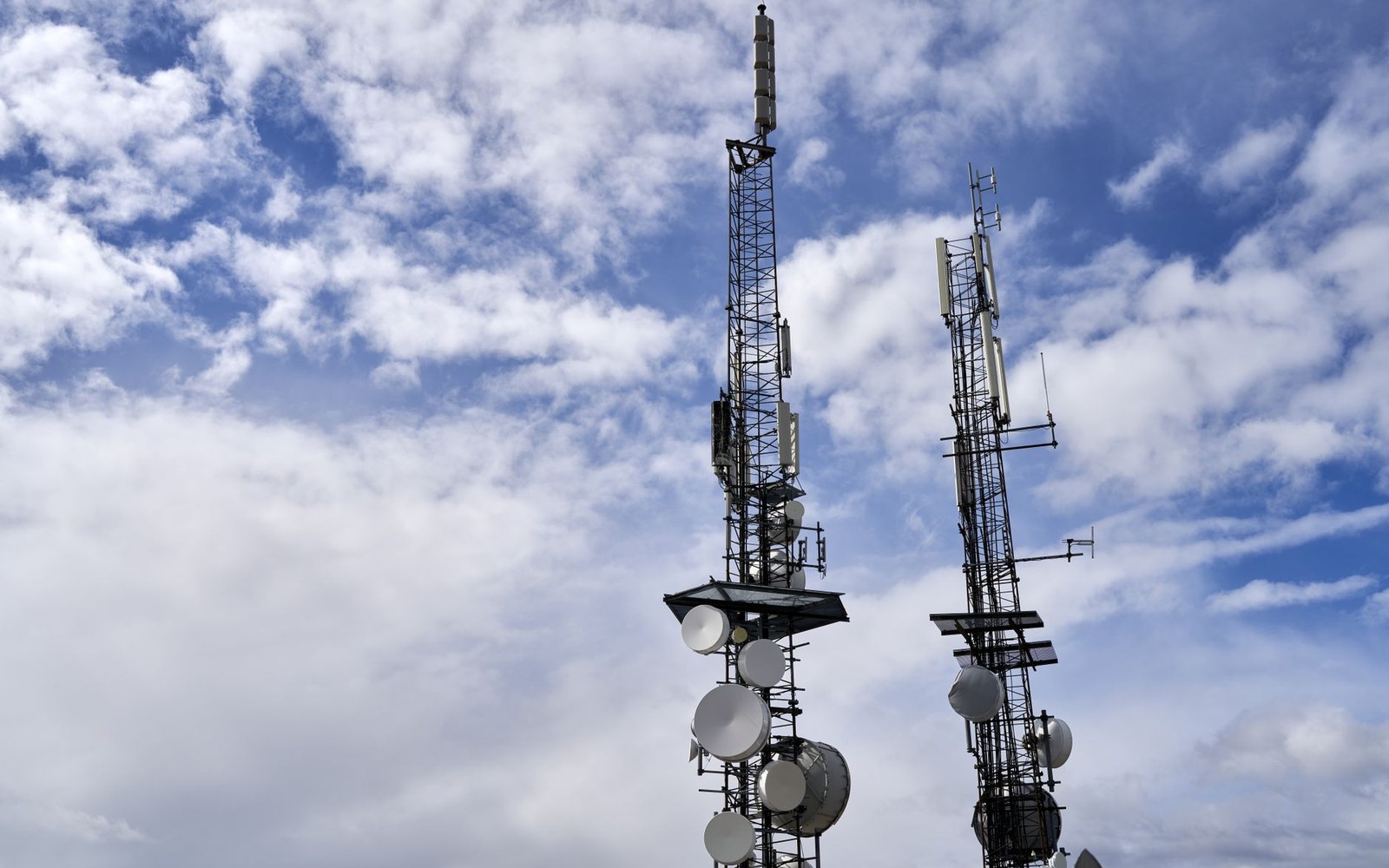
Fixed wireless home service shares the same cell capacity as the phones around it.
Photo: Barnabas Davoti / Pexels
Built on the Wrong Network for the Right Market
T-Mobile Home Internet and Verizon 5G Home Internet both deliver broadband through the same spectrum licensed for mobile phones. Neither company ran new cable, strung new fibre, or dug a single trench to enter the residential internet business. They arrived as fixed wireless providers because they already owned the radio infrastructure — and in markets where the cable incumbent is weak or absent, that turns out to be enough.
T-Mobile's product runs on its mid-band and low-band LTE and 5G spectrum, aggregated through towers that also serve smartphone customers. Verizon's relies more heavily on millimetre-wave and C-band 5G, which constrain coverage geography but offer higher peak throughput in dense deployments. Both companies publish coverage maps that are self-reported and subject to the same caveats that apply to all provider-submitted availability data on the FCC's national broadband map.
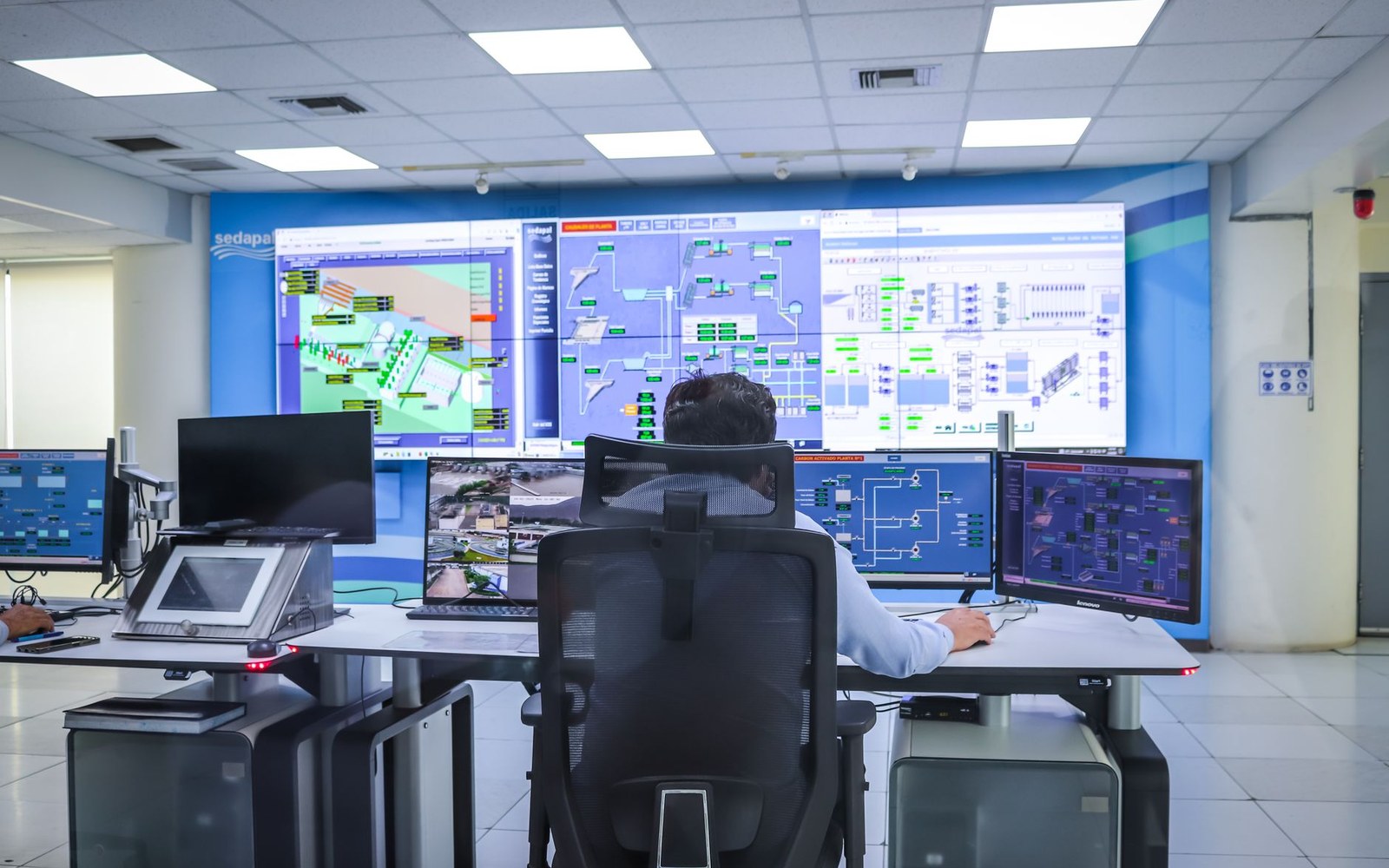
Selling retail service means staffing a room like this one continuously, whoever owns the strand.
Photo: Fernando Narvaez / Pexels
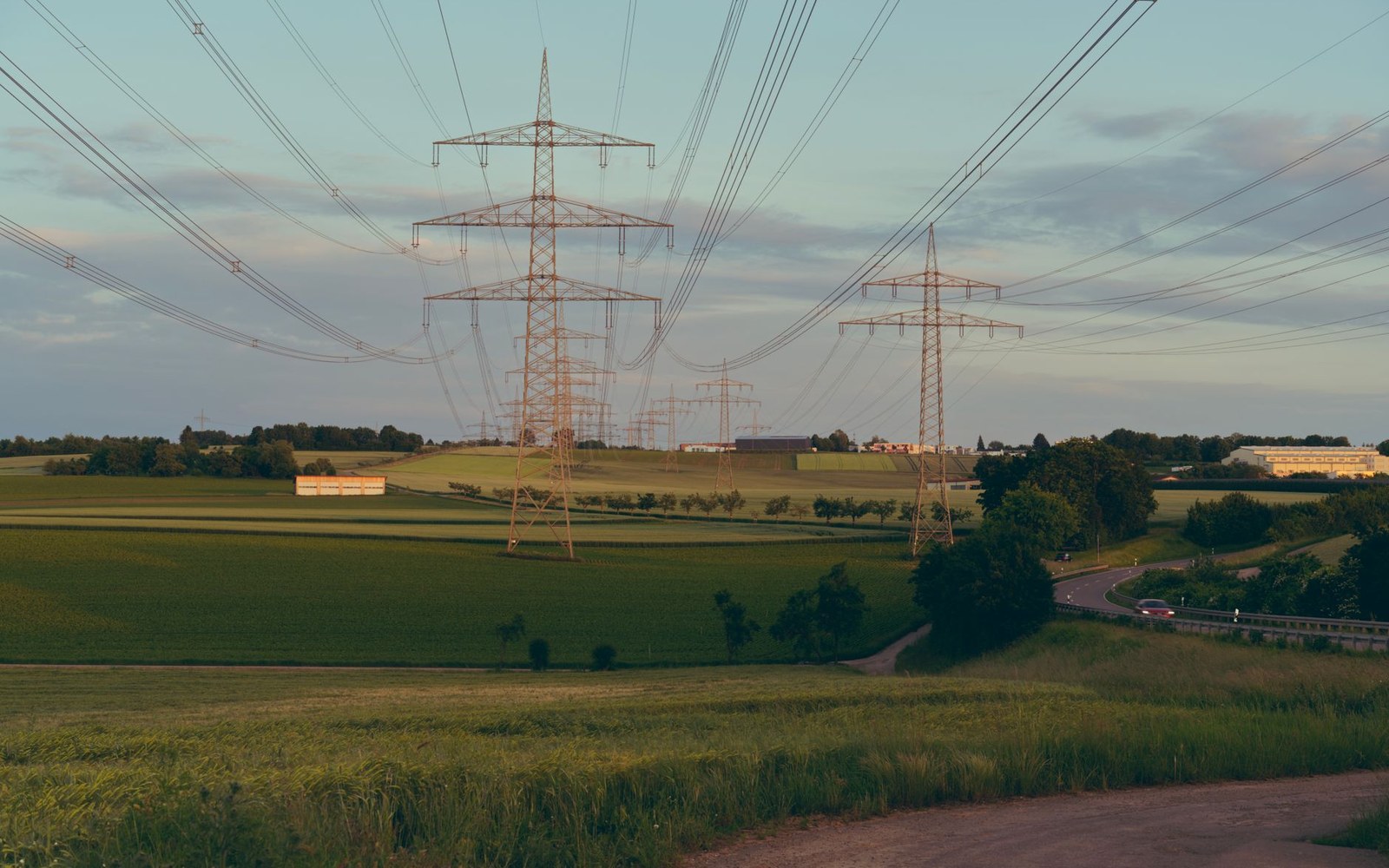
The edge of a service territory. Past it, a map dispute decides on paper who counts as served.
Photo: Adi Nagesh / Pexels
Speed performance sits measurably below fibre but well above the historical cable baseline in many rural and exurban markets. Ookla's Speedtest Intelligence data for Q4 2024 places T-Mobile Home Internet's median download speed at roughly 130–145 Mbps, with upload speeds that trail download by a significant margin — a structural consequence of how cellular uplink and downlink spectrum is apportioned. Verizon's C-band deployments post higher medians in covered areas, but coverage remains thinner.
The capacity tradeoff is genuine. A cell sector shared between mobile subscribers and home internet customers faces congestion pressure that a dedicated fibre strand does not. During peak hours, both products can degrade in ways a fibre connection would not. Speeds also vary with proximity to the tower and local terrain in ways a household cannot easily predict before subscribing.
Where cable incumbents provide only slow, asymmetrical service, these products represent a real competitive option. Where fibre is present, they are not equivalent to it.