Section 2 of 4
Towns that built it themselves
Chattanooga EPB, Wilson Greenlight, Lafayette LUS Fiber, Fort Collins, Ammon Idaho, electric co-operatives, tribal broadband, and the roughly twenty state preemption laws — including where they have been repealed.
-
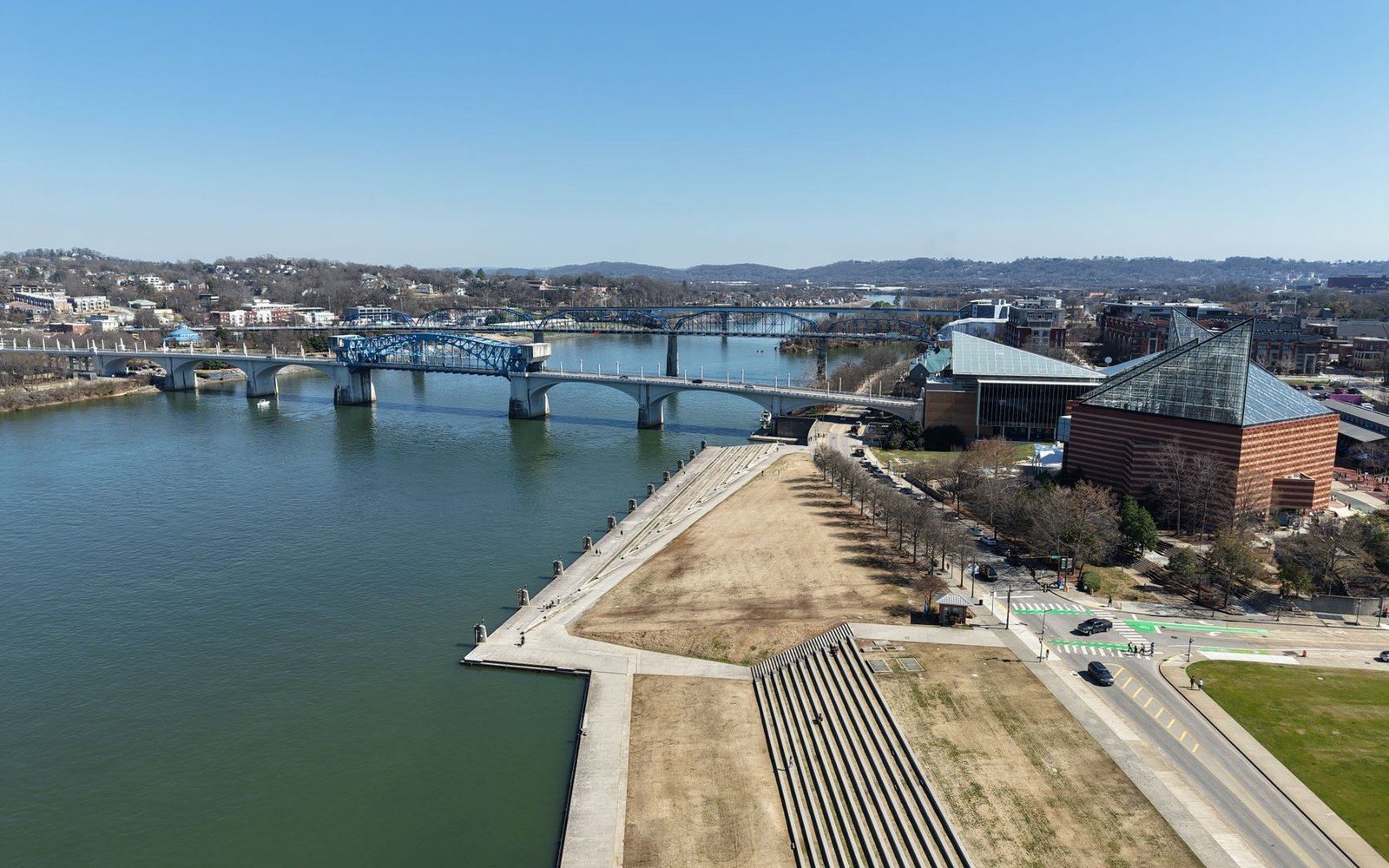
EPB Switched On a Citywide Fibre Utility in 2010, and the Argument Did Not Stop
A full account of Chattanooga's Electric Power Board: the 2010 launch of citywide fibre, the gigabit-to-every-home claim, the utility's dual role carrying power telemetry and retail broadband, and the fourteen years of feasibility studies from other cities that cite it. Draws on EPB published service records and the Institute for Local Self-Reliance's documentation.
-
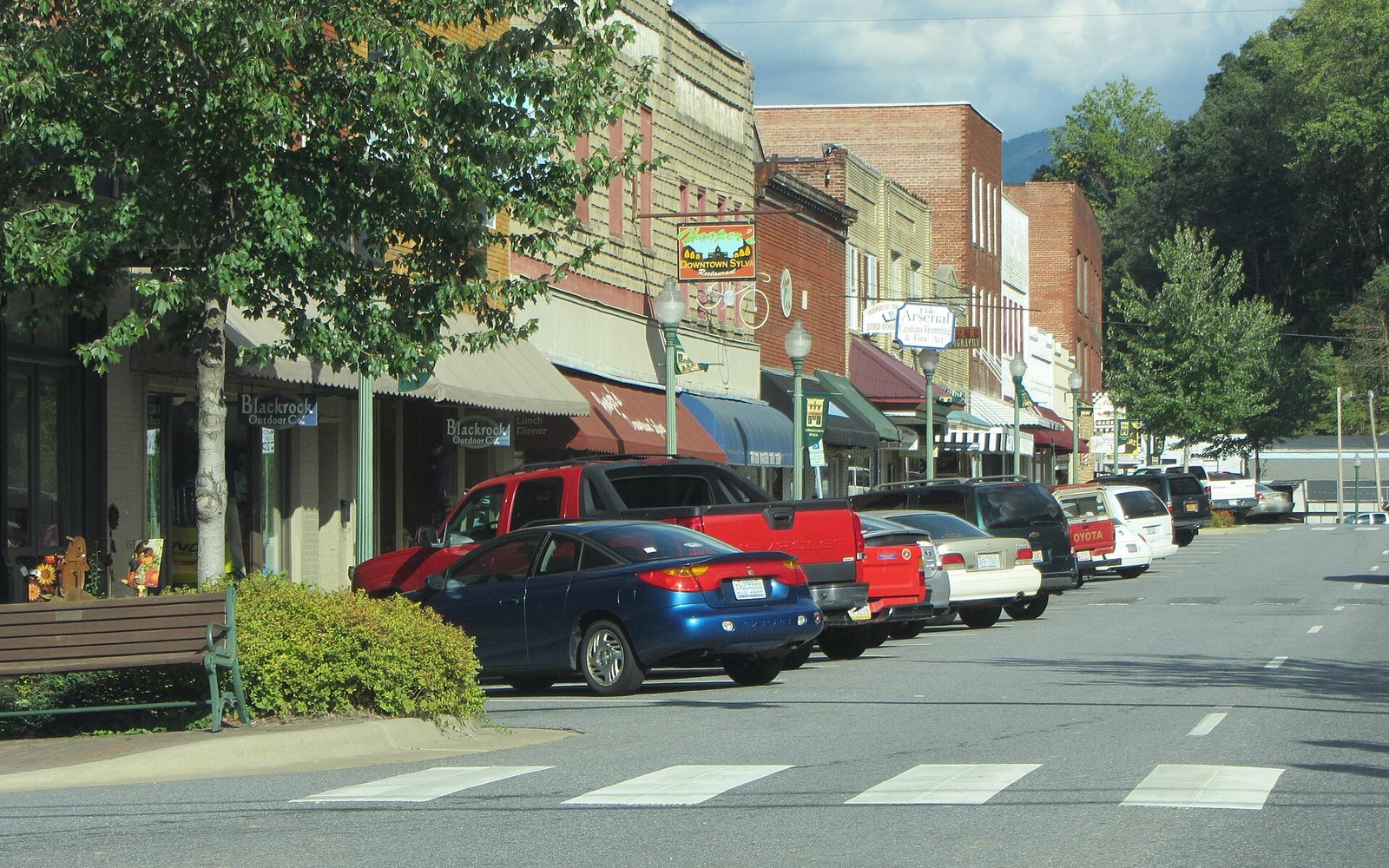
Wilson Built Greenlight, Then North Carolina Wrote a Law About It
Recounts the construction of Wilson's Greenlight network, the passage of North Carolina's Level Playing Field Act after it was already in the ground, and the network's continuing operation.
-

Lafayette's Power Company Became Its Internet Provider
Documents Lafayette, Louisiana's LUS Fiber — how the city utility authority extended from electricity to fibre broadband, the legal challenges it faced before launch, and its standing as a municipal utility-owned network within a state that did not bar it.
-
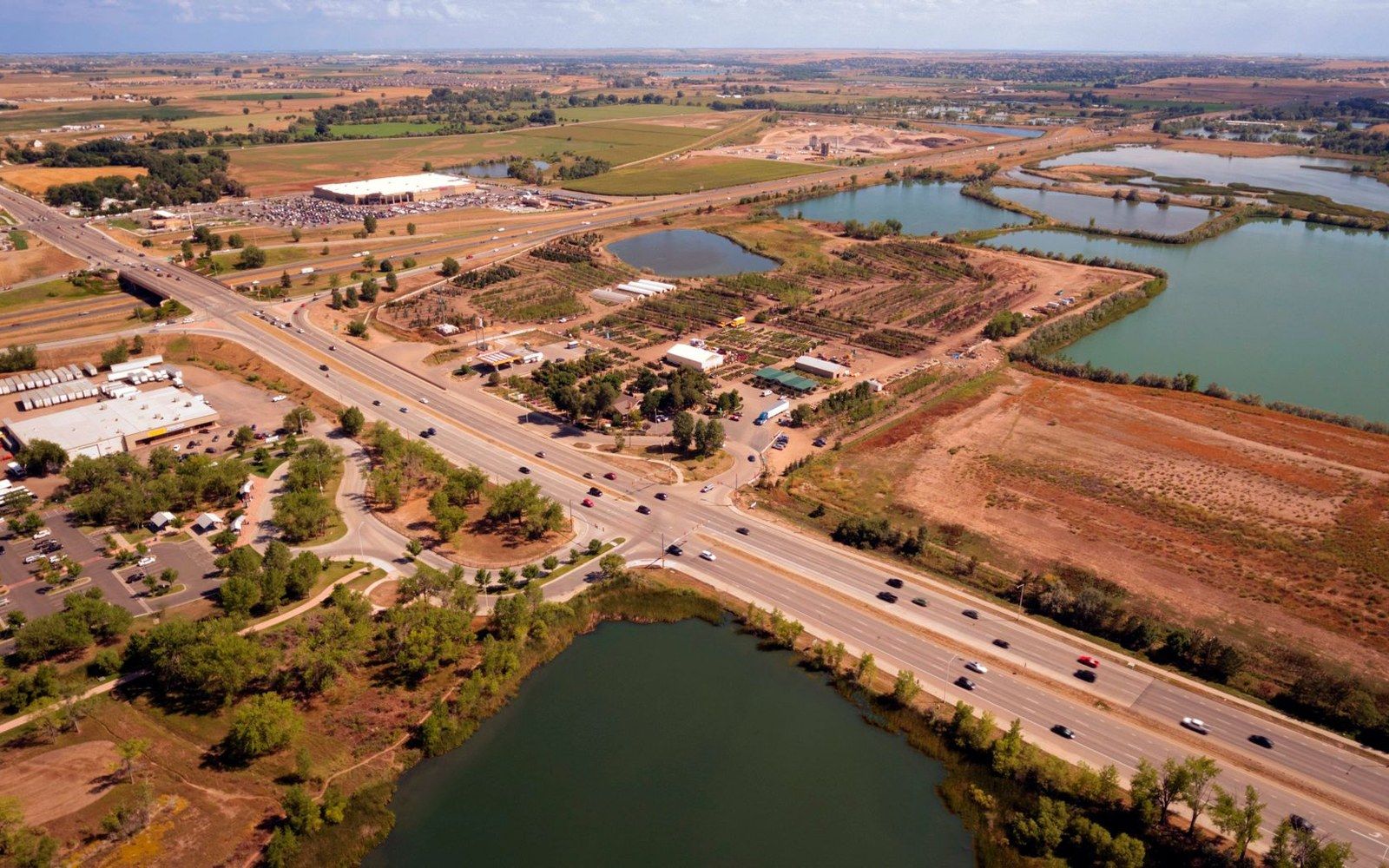
Fort Collins Put Broadband to a Vote in 2017
Describes the Fort Collins, Colorado ballot measure that authorised the city to enter the broadband market — the question put to voters, the margin, the subsequent feasibility work, and the resulting Connexion network.
-

Ammon Owns the Strand and Lets Providers Compete on It
Explains Ammon, Idaho's open-access model — the city owns the conduit and fibre, providers lease capacity and compete for customers on the same physical plant, and residents choose among them.
-
Roughly Twenty States Restrict What a Town Can Do With a Fibre Strand
Maps the approximately twenty state statutes that restrict or prohibit municipal broadband construction, names the states where restrictions have since been repealed or narrowed, and notes the legislative sessions in which changes occurred.
-
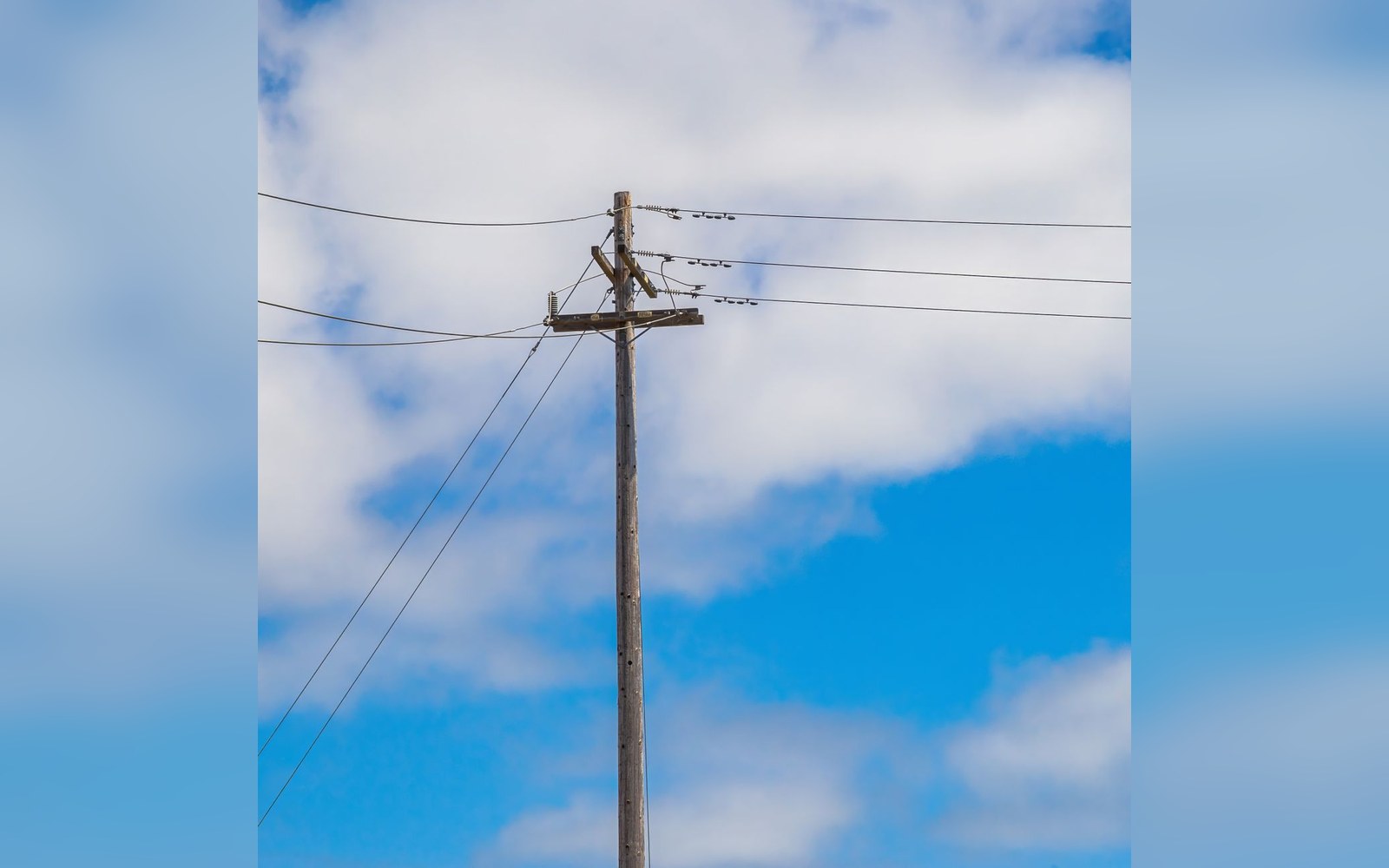
The Co-op Already Had the Poles
Examines rural electric co-operatives as fibre builders — why their existing pole attachment rights, billing infrastructure and service territory geography make them a natural fit, and which co-operatives have launched retail broadband under USDA ReConnect and BEAD funding.
-
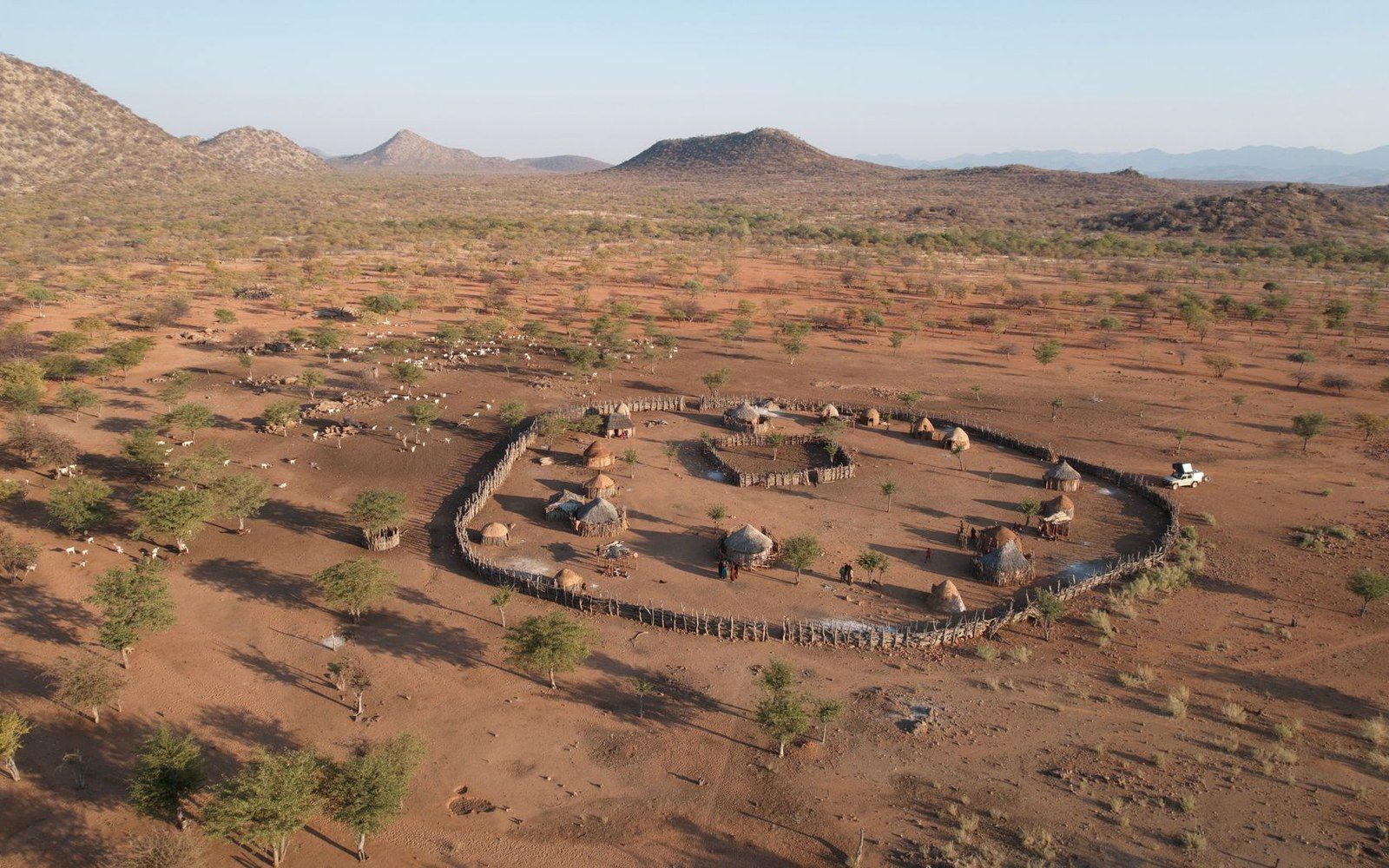
Tribal Nations and the Separate Funding Track
Records the tribal broadband funding streams distinct from BEAD — the NTIA's Tribal Broadband Connectivity Program, the FCC's Tribal E-Rate provisions, and named tribal network projects.