The technology underneath
The Institute for Local Self-Reliance Has Been Counting Since Before It Was Fashionable
A map, a case-study archive, and two decades of documented municipal networks that show up repeatedly in the feasibility studies other towns commission.
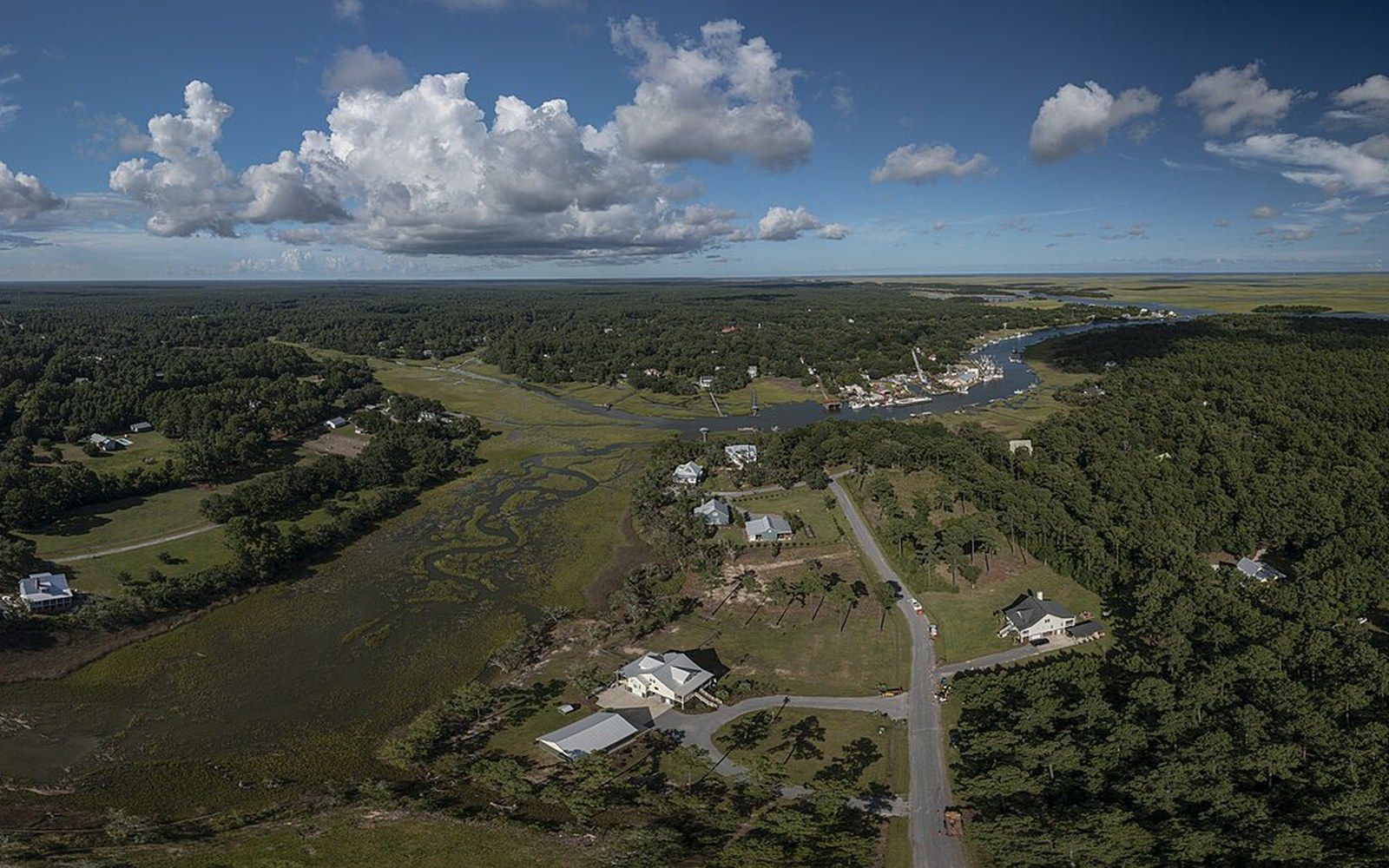
ILSR has been counting community networks long enough for its archive to be a research resource.
Photo: Infrastructure and Education Facility Upgrades in South Carolina, with Under Secretary Small (20220808-RD-LSC-0689) · Wikimedia Commons
What the ILSR Tracks and Why It Matters
The Institute for Local Self-Reliance launched its Community Broadband Networks Initiative in the early 2000s, at a moment when the idea of a city owning its own fibre was still regarded as eccentric. Its central product is a continuously maintained map of community-owned broadband networks across the United States — municipal electric utilities that extended into internet service, cooperatives, open-access systems, and publicly financed fibre utilities — accompanied by a case-study archive that records each network's ownership structure, technology, service area, and operational history.
As of the mid-2020s, the ILSR map documents more than five hundred such networks in operation or under active construction. The count includes networks owned by cities, counties, and electric cooperatives, and distinguishes between open-access models — where a public authority owns the physical plant and leases capacity to competing retail providers — and vertically integrated utilities that both own and sell service directly. That distinction matters: it is the first methodological question any municipal feasibility study must answer.
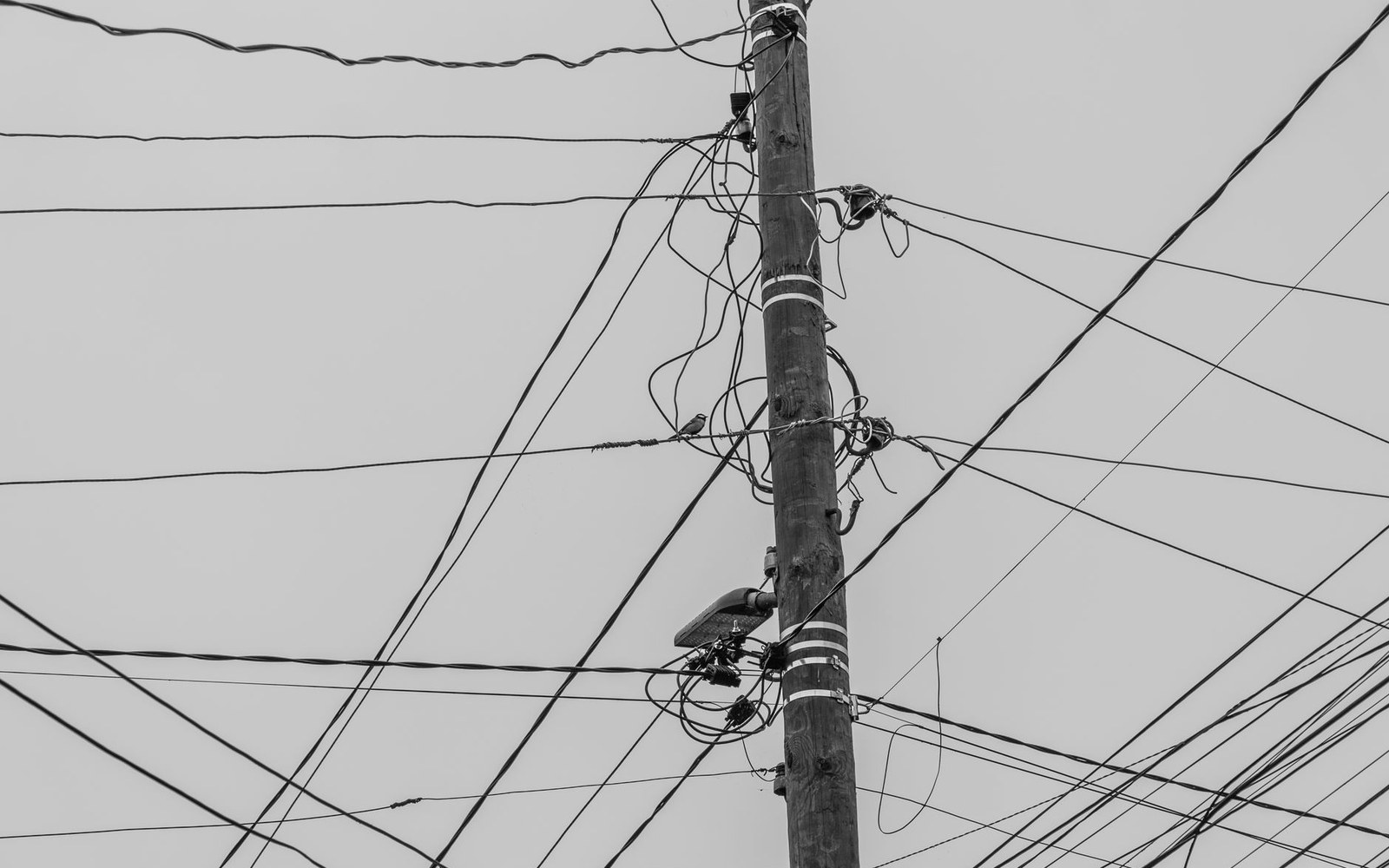
Aerial strand is cheaper than trenching, and the pole it hangs from usually belongs to somebody else.
Photo: Дмитрий Рощупкин / Pexels
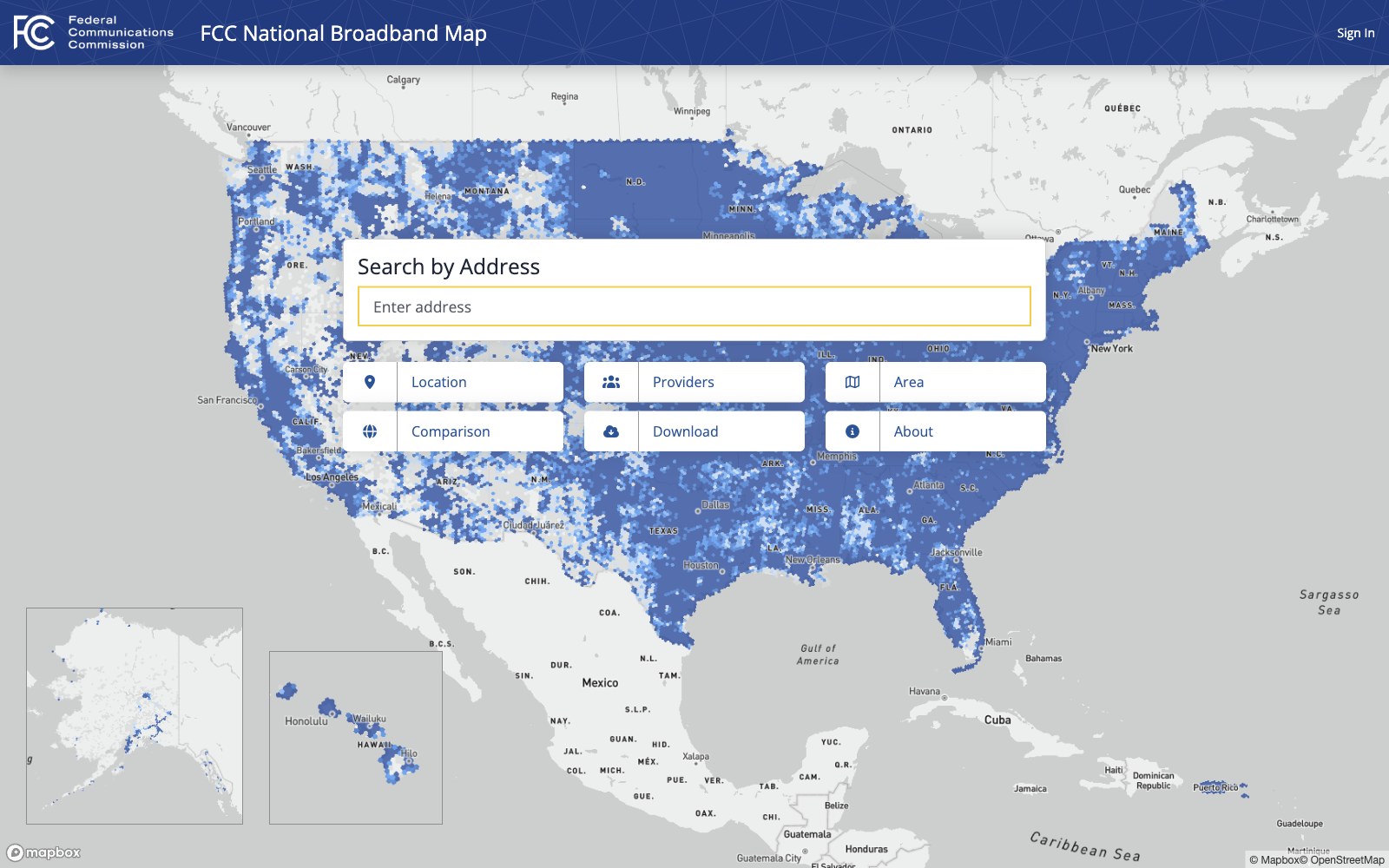
The national map is assembled from provider self-reporting, which is the reason the challenge process exists.
Photo: broadbandmap.fcc.gov
The archive functions as a longitudinal record. Individual entries are updated as networks expand, change operators, or, occasionally, fail. That last category is not suppressed. ILSR documents networks that were sold or discontinued alongside those that have grown, which is why researchers and consultants treat the database as a starting point for due diligence rather than a promotional catalogue.
Which Networks Appear Most Frequently in Other Towns' Plans
Feasibility studies commissioned by municipalities tend to reach for the same handful of reference cases, and those cases align closely with ILSR's most detailed entries. EPB in Chattanooga, which launched citywide fibre in 2010 through the Electric Power Board, appears in more feasibility documents than any other single network. LUS Fiber in Lafayette, Louisiana; Greenlight in Wilson, North Carolina; and the open-access model built by Ammon, Idaho are each cited with high frequency, reflecting both their operational longevity and the depth of ILSR's own published analysis of each.
Christopher Mitchell, who directs the initiative, has given extensive congressional testimony on municipal network viability. That testimony is itself cited in state-level broadband planning documents, creating a feedback loop in which ILSR's research shapes the planning that, in turn, generates new entries for its own archive.
No other non-governmental database matches the initiative's scope or update cadence for publicly owned broadband infrastructure in the United States.