Towns that built it themselves
Fort Collins Put Broadband to a Vote in 2017
A Colorado city asked its residents directly whether the municipal utility should enter the broadband market. They said yes by a wide margin.
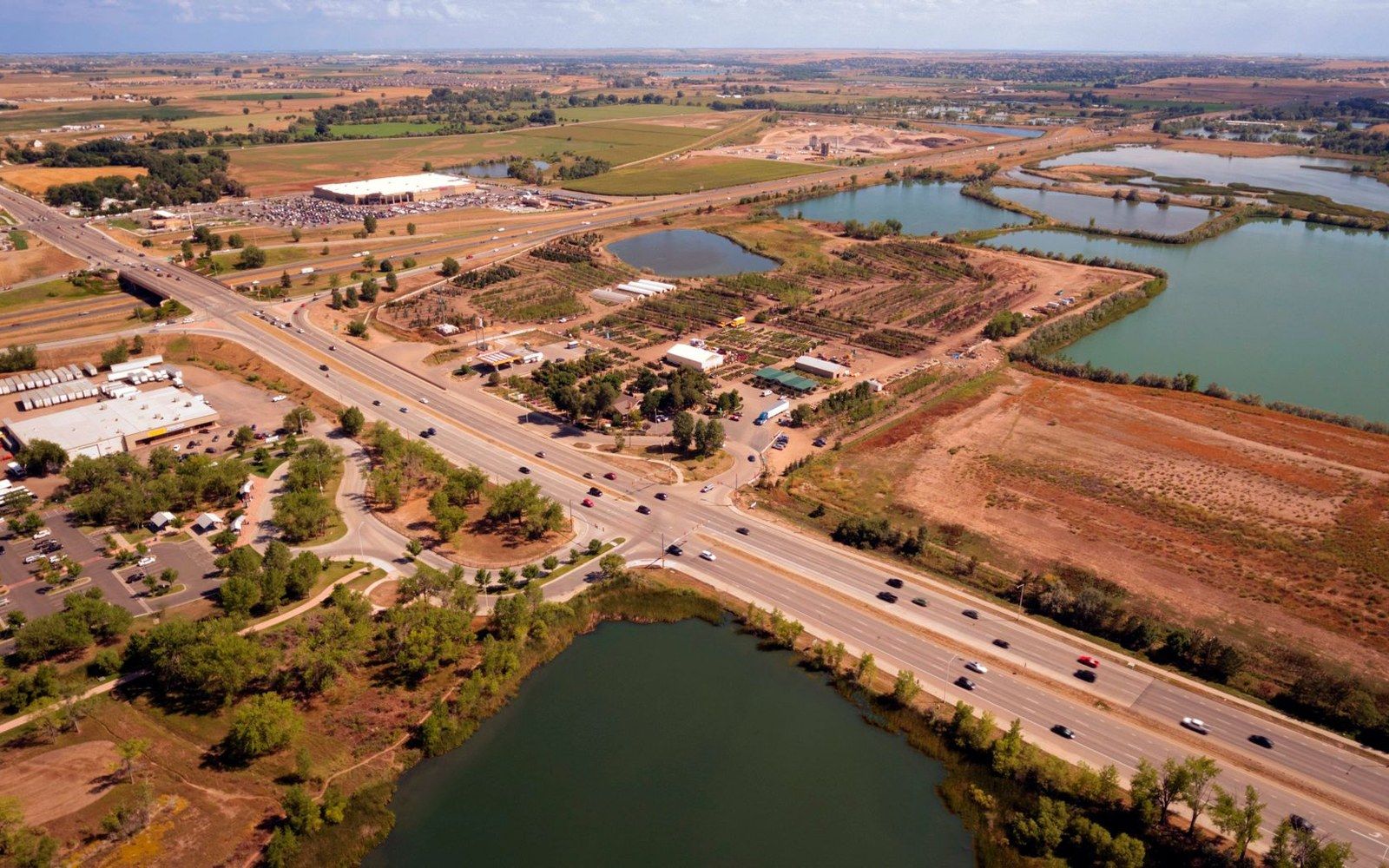
In Fort Collins the authorisation came from a ballot question rather than a council vote.
Photo: Flash Alexander / Pexels
From Ballot Box to Broadband Utility
In November 2017, Fort Collins voters approved Measure 2B, a citizen initiative that amended the city charter to allow the city's electric utility to provide broadband service. The measure passed with roughly 57 percent of the vote, clearing a threshold that state law at the time required: Colorado's Senate Bill 152, enacted in 2005, bars municipalities from offering telecommunications services unless local voters explicitly grant an exemption. Fort Collins joined a growing list of Colorado jurisdictions that had held such votes under that state preemption regime .
The ballot question was narrow by design. Approving 2B did not authorise construction or spending — it removed the legal prohibition, creating room for the city to study whether a utility-owned network was viable. Fort Collins then commissioned a feasibility study, examining build costs, competitive conditions, and the revenue model that would let a new network service debt without drawing on the general fund. The study concluded that a symmetrical-gigabit fibre network serving city residents and businesses could be financially self-sustaining if take rates reached targets in the range typical for well-marketed municipal launches.

Feasibility studies are public records, and most of them cite the same handful of towns.
Photo: Artem Podrez / Pexels
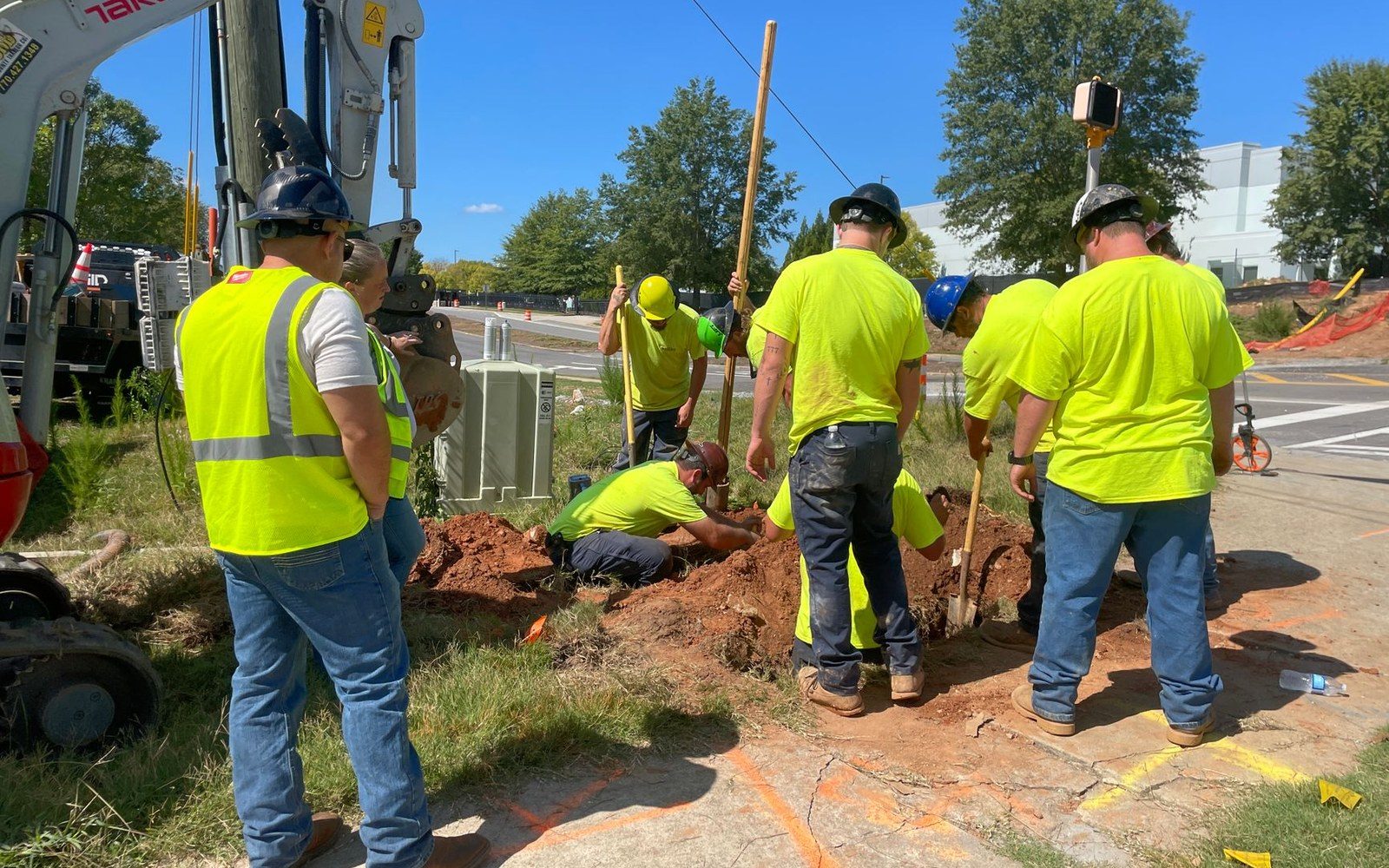
Conduit goes in the parkway strip between sidewalk and kerb, which is why a build is costed in street-miles before it is costed in households.
Photo: Miguel Castillo / Pexels
City Council authorised Fort Collins Connexion as a department of the city's Light and Power utility in 2018. Construction began in phases, with the network expanding neighbourhood by neighbourhood across Fort Collins. Connexion offers symmetrical upload speeds — a capability the incumbent cable plant in the market, using DOCSIS technology, has historically been unable to match — alongside a baseline-priced tier aimed at affordability.
The Colorado Public Utilities Commission does not regulate municipal broadband rates or operations, but Connexion's formation required coordination with state authorities on rights-of-way and utility franchise questions. That regulatory posture — city-owned, not subject to PUC rate oversight, competing openly against Comcast — is consistent with how other municipal networks, including EPB in Chattanooga,Tennessee, have structured their utilities in states that permit the model.
The 2B vote established something that feasibility studies and council resolutions cannot on their own: a direct democratic mandate. When Connexion's early build phases ran over initial cost projections, city officials pointed to the vote as the foundation for continued investment. The Institute for Local Self-Reliance tracks Fort Collins Connexion among its active municipal network cases, noting that the city utility model — electric utility as operator, general fund kept at arm's length — mirrors the approach taken in Wilson, North Carolina and Lafayette, Louisiana.