Towns that built it themselves
The Co-op Already Had the Poles
Rural electric cooperatives entered the broadband business with assets no telephone company or cable operator could replicate — the infrastructure was already theirs.
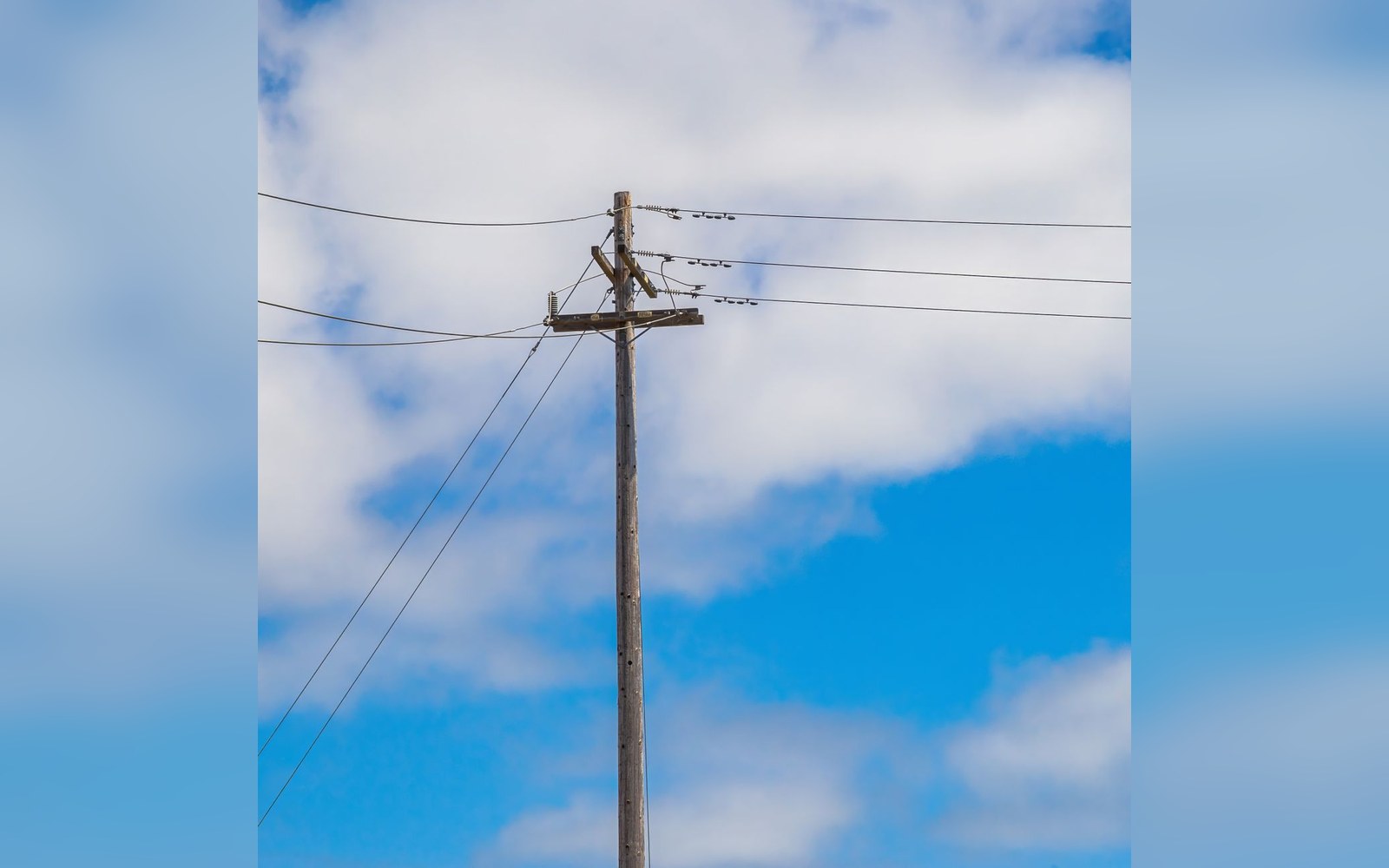
A co-operative already holds the pole attachments, the trucks and the billing relationship.
Photo: Robert So / Pexels
Built for the Last Mile
When a rural electric cooperative strings fibre along its distribution lines, it is not negotiating pole attachment rights or surveying unfamiliar territory. It already owns, or has easements on, the poles. It already has billing relationships with every household in its service area. Its linemen know which roads wash out in spring and which properties sit three miles from the nearest gravel lane. That accumulated geographic knowledge is not nothing — it is precisely what has made the last mile so expensive for outside operators to build.
The cooperative model itself was a federal creation. The Rural Electrification Act of 1936 used federal lending to push electricity into areas that investor-owned utilities had declined to serve because the density math did not work. The logic repeats now almost verbatim: private carriers have bypassed the same low-density rural areas for broadband, and cooperatives that already serve those territories are stepping in again. The USDA Rural Utilities Service, which administers the ReConnect Program, is the direct institutional descendant of that New Deal lending apparatus.
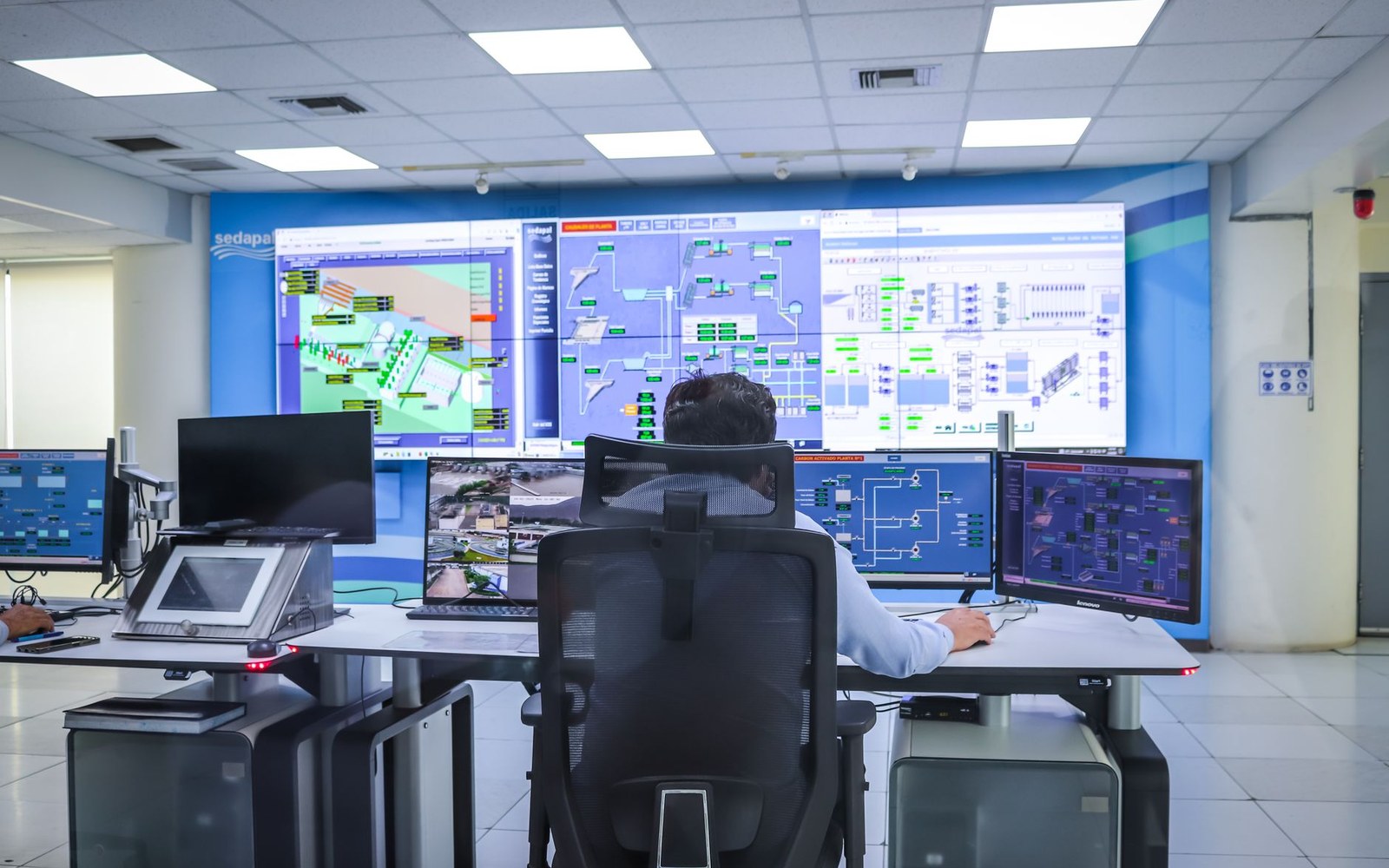
Selling retail service means staffing a room like this one continuously, whoever owns the strand.
Photo: Fernando Narvaez / Pexels
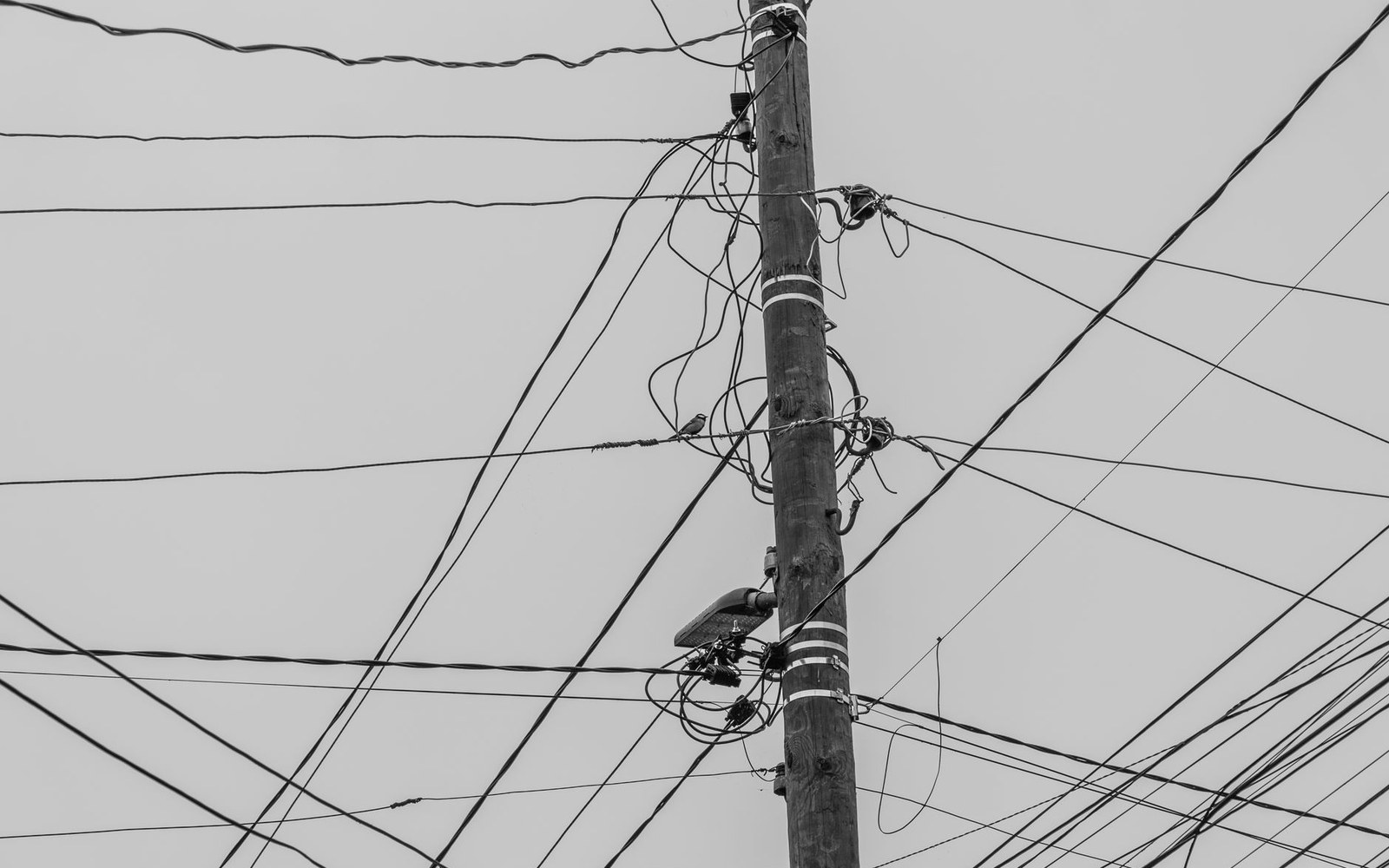
Aerial strand is cheaper than trenching, and the pole it hangs from usually belongs to somebody else.
Photo: Дмитрий Рощупкин / Pexels
The National Rural Electric Cooperative Association estimates that more than 900 electric cooperatives serve approximately 42 million people across 56 percent of the nation's land mass. A large share of those service areas overlap almost exactly with the unserved and underserved locations that NTIA's BEAD programme defines as its targets. Where the FCC's national broadband map shows an address with no wireline provider offering 100/20 Mbps, there is often an electric co-op pole within a few hundred feet.
Who Has Built, and Where
Several cooperatives have moved from planning to operations, using USDA ReConnect grants and loans as the primary funding mechanism before BEAD dollars became available.
Ralls Technologies — the broadband subsidiary of Northeast Texas Electric Cooperative — launched fibre-to-the-premises service across a rural northeast Texas service area after receiving a ReConnect award in 2019. By building on the parent cooperative's pole infrastructure, Ralls avoided the site-acquisition costs that would have made the project financially marginal.
In the Southeast, Tombigbee Electric Power Association in Mississippi and co-ops affiliated with the Tennessee Valley Authority's distribution network have drawn ReConnect funding to extend fibre into areas where the only prior option was a DSL line running over decades-old copper. The Benton Institute for Broadband and Society has documented multiple such projects as examples of cooperative-led rural construction that preceded the BEAD appropriation.
Mediacom and similar commercial carriers have sometimes challenged cooperative broadband applications on the grounds that they already serve the claimed territory — a dispute that routes through the FCC's challenge process and the fabric data underlying BEAD's formula allocation. Cooperatives have generally contested those claims, arguing that legacy DSL at speeds below 25/3 Mbps does not constitute service under any current federal benchmark.
The USDA ReConnect Program has funded more than $3 billion in awards across its first several rounds, with a substantial portion going to electric cooperative applicants or their broadband subsidiaries. Round three alone, announced in 2023, included awards to cooperative entities in West Virginia, Minnesota, Mississippi and rural Appalachia — regions where the density and terrain that discouraged private investment are exactly what the cooperative model was built to absorb.
BEAD funding, once states complete their final proposals and NTIA approves them, is expected to flow to additional cooperative applicants. Several states have written their initial proposals to treat electric cooperative service territories as priority construction zones, on the straightforward logic that the pole infrastructure is already permitted and the billing system already runs.
The obstacle cooperatives name most often is not capital — federal grant programmes have addressed much of that — but workforce. Splicing fibre requires different training than stringing copper or aluminum distribution wire. Cooperatives in rural Appalachia and the Mississippi Delta have reported that hiring and retaining qualified fibre technicians is the binding constraint on their construction timelines, a problem that no formula allocation resolves.