Towns that built it themselves
Tribal Nations and the Separate Funding Track
Federal broadband money reaches tribal land through different doors than it reaches a suburb — and the map has rarely shown what is actually there.
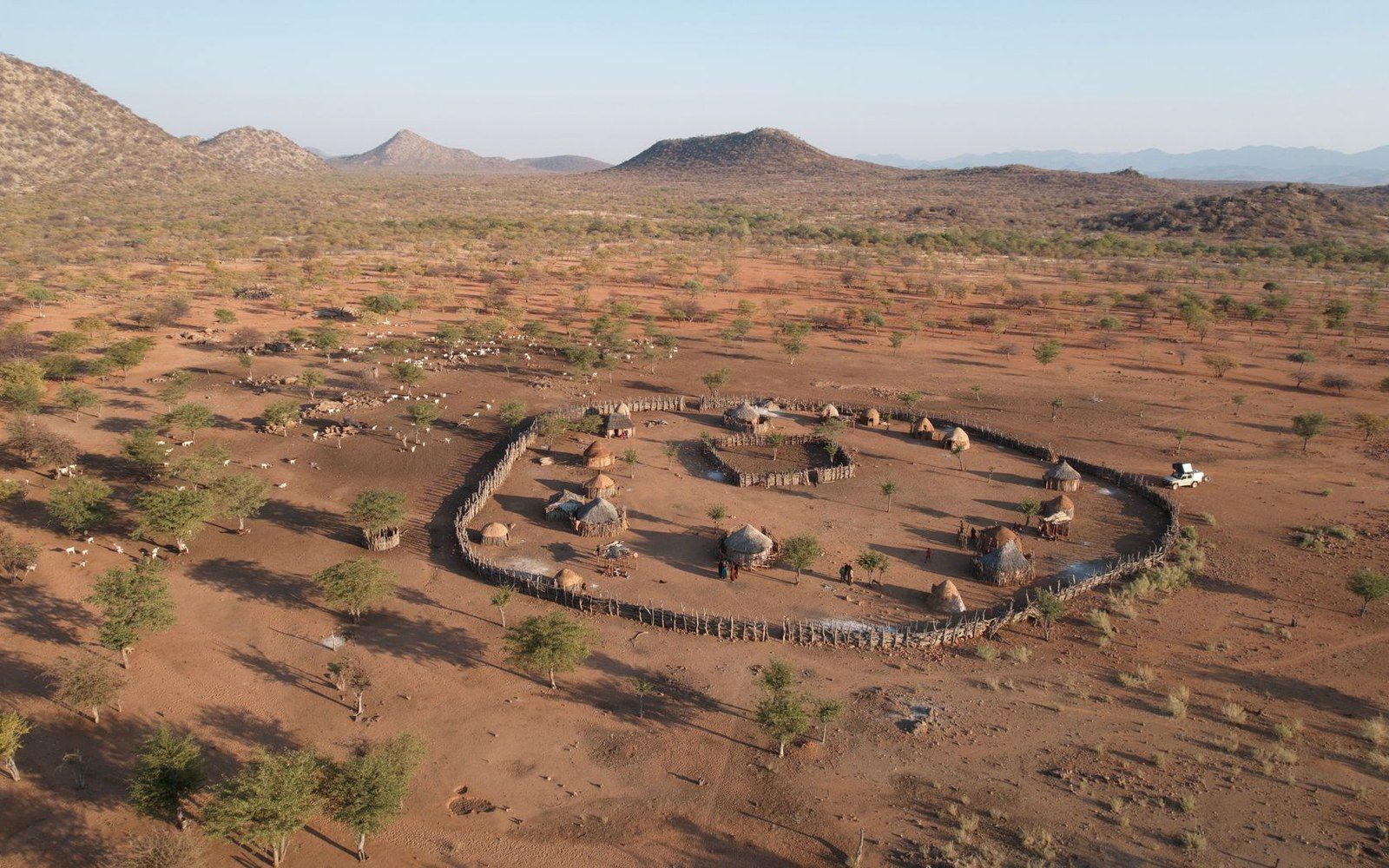
Tribal networks draw on a funding track separate from BEAD, with its own mapping problems.
Photo: BOVISTAS / Pexels
A Distinct Funding Architecture
When Congress passed the Infrastructure Investment and Jobs Act in 2021, it reserved roughly $2 billion specifically for tribal connectivity within the NTIA's Tribal Broadband Connectivity Program, which predates BEAD and operates on a separate application track. Eligible applicants are federally recognised tribal governments and tribally controlled entities, not states. Awards have funded fibre construction, middle-mile infrastructure, device distribution and digital navigator programmes on lands from the Navajo Nation — one of the largest and most persistently underserved service areas in the country — to smaller nations in Minnesota and the Pacific Northwest.
The FCC maintains a parallel channel through Tribal E-Rate provisions, which offer schools and libraries on tribal lands additional support alongside the standard Universal Service Fund schedule. The intent is to offset the compounded cost disadvantage of remote, low-density terrain where commercial providers have little incentive to build.

Feasibility studies are public records, and most of them cite the same handful of towns.
Photo: Artem Podrez / Pexels
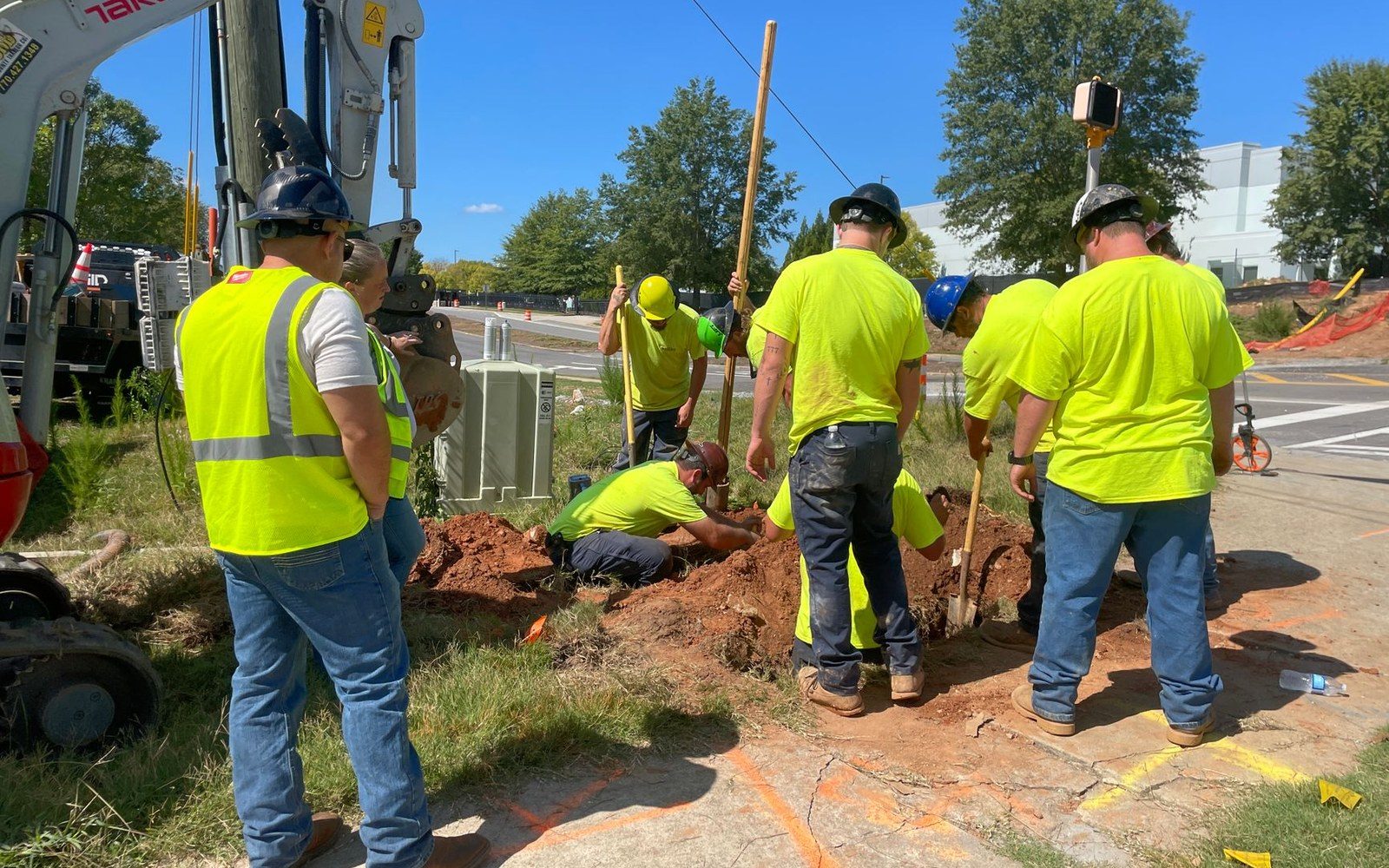
Conduit goes in the parkway strip between sidewalk and kerb, which is why a build is costed in street-miles before it is costed in households.
Photo: Miguel Castillo / Pexels
What the Map Has Missed
Both funding streams have been complicated by a chronic data problem. The FCC's national broadband map, built on provider self-reporting, has systematically overstated coverage on tribal lands, according to a 2022 Government Accountability Office review. Where a carrier reports a census block as served, every address in that block is marked served — even if the reported signal reaches only the block's edge. Tribal nations, whose land parcels and census geometries often do not align with standard census-block boundaries, face particular distortion. The formal challenge process exists to correct the record, but mounting a challenge requires GIS capacity and staff time that many tribal governments do not have.
The result is that BEAD formula allocations — derived from those same FCC maps — have in some cases undercounted unserved locations on tribal land, reinforcing the structural argument for keeping the Tribal Broadband Connectivity Program as a separate, direct-to-tribe track rather than folding tribal need into state-level BEAD plans.