Skokie and the North Shore
The Library Was Doing This Before 'Broadband' Was the Word for It
Skokie Public Library spent decades as the community's de facto internet utility — before that was a policy goal.
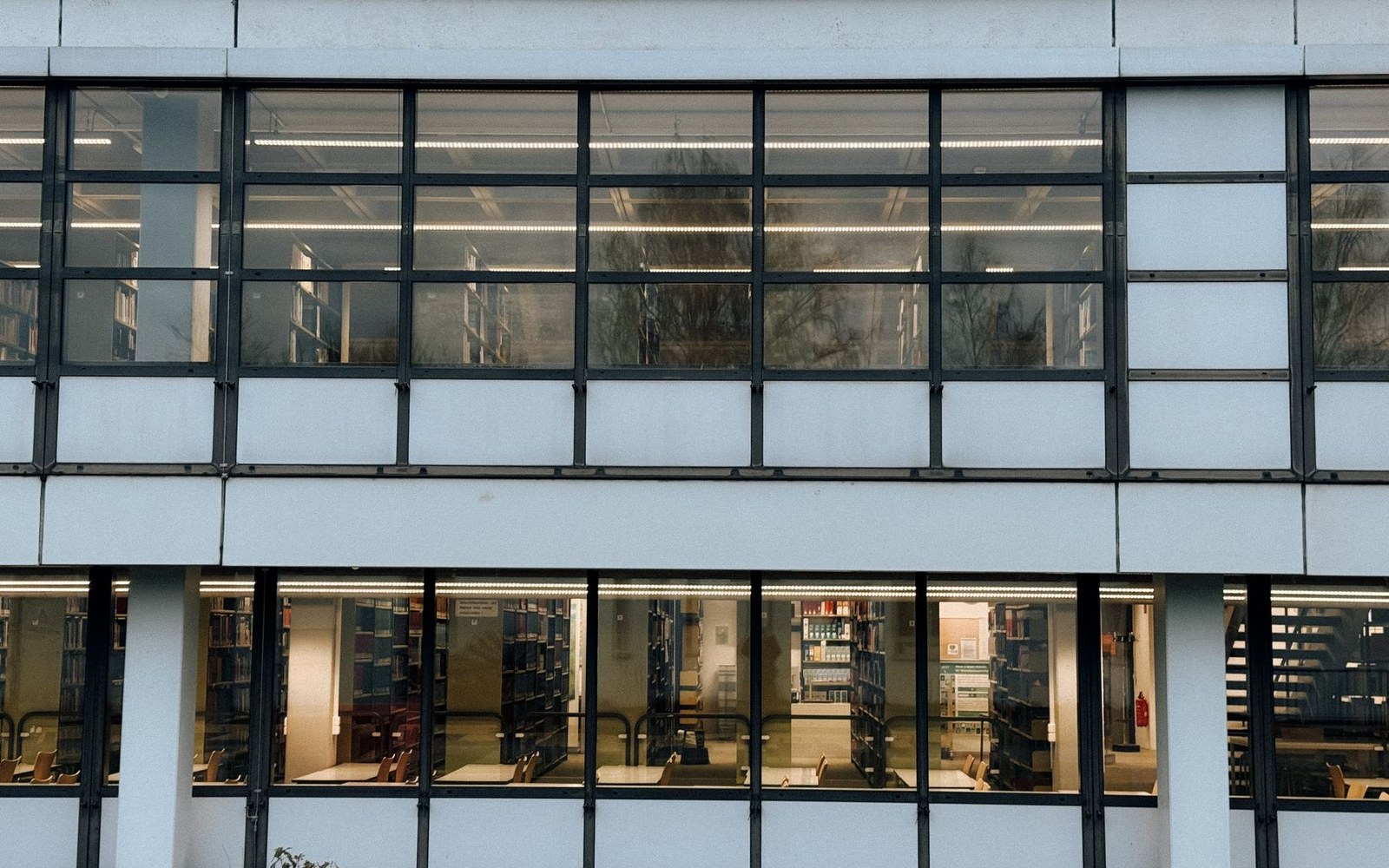
The library was a public access point before home broadband was the ordinary case.
Photo: Marina Zvada / Pexels
From Card Catalogue to Public Terminal
Long before the NTIA began administering broadband grants or the FCC drew coverage maps, libraries were solving the connectivity problem with what they had: physical space, trained staff and a mandate to serve every resident without means-testing. The Skokie Public Library, serving a dense, ethnically diverse suburb directly north of Chicago, was doing exactly that through the 1990s and into the 2000s — providing public terminals, fielding basic skills questions and functioning as the address where residents who had no home connection could still get online.
That role was not incidental. The Universal Service Fund's E-Rate programme, which began wiring schools and libraries to the internet in 1997, created a formal federal mechanism recognising libraries as connectivity infrastructure. Skokie's library, like thousands of others, drew on that programme while continuing to do something E-Rate alone could not fund: teaching people how to use the connection once it existed.
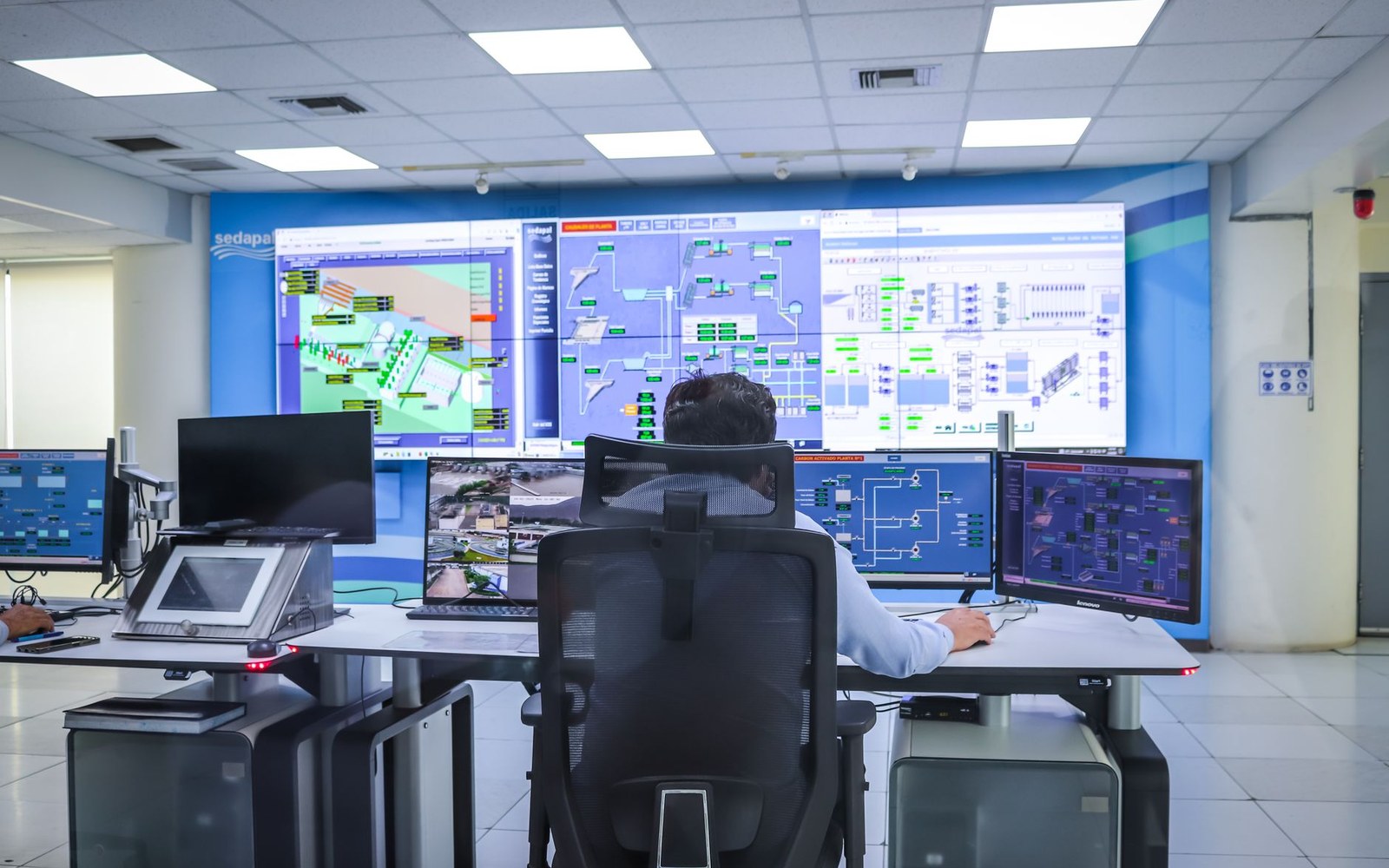
Selling retail service means staffing a room like this one continuously, whoever owns the strand.
Photo: Fernando Narvaez / Pexels

A library's public-computing shelf. The institution was an access point before home broadband was the ordinary case.
Photo: Pixabay / Pexels
The Work That Precedes the Wire
Digital literacy programming — what the field now calls the digital navigator model — is an older practice than the label. Library staff helped residents create email accounts, navigate government websites and complete job applications at a time when no funded navigator corps existed and no household subsidy programme was available to close the cost gap. The constituency was real and local: new immigrants, older adults, job-seekers and students whose schools lacked adequate lab time.
This work sits in a longer national pattern. The Institute for Local Self-Reliance has documented how libraries consistently function as the connectivity resource of last resort in communities where private ISPs have underinvested, and where low-income households face a choice between a broadband bill and other necessities. In Skokie — a community with high linguistic diversity and a significant share of residents of modest income — the library's floor of public access carried genuine weight.
What the library could not do was substitute for a home connection. A public terminal has hours; it has a queue; it cannot support a child doing homework at ten at night. That gap, visible at every library reference desk throughout the dial-up era and after, is the structural argument for the municipal fibre investment the Village of Skokie pursued later. The library named the problem. The fibre was, eventually, one answer to it.