Skokie and the North Shore
The Illinois Holocaust Museum Opened in Skokie in 2009
A landmark institution in a village defined, in part, by that history.
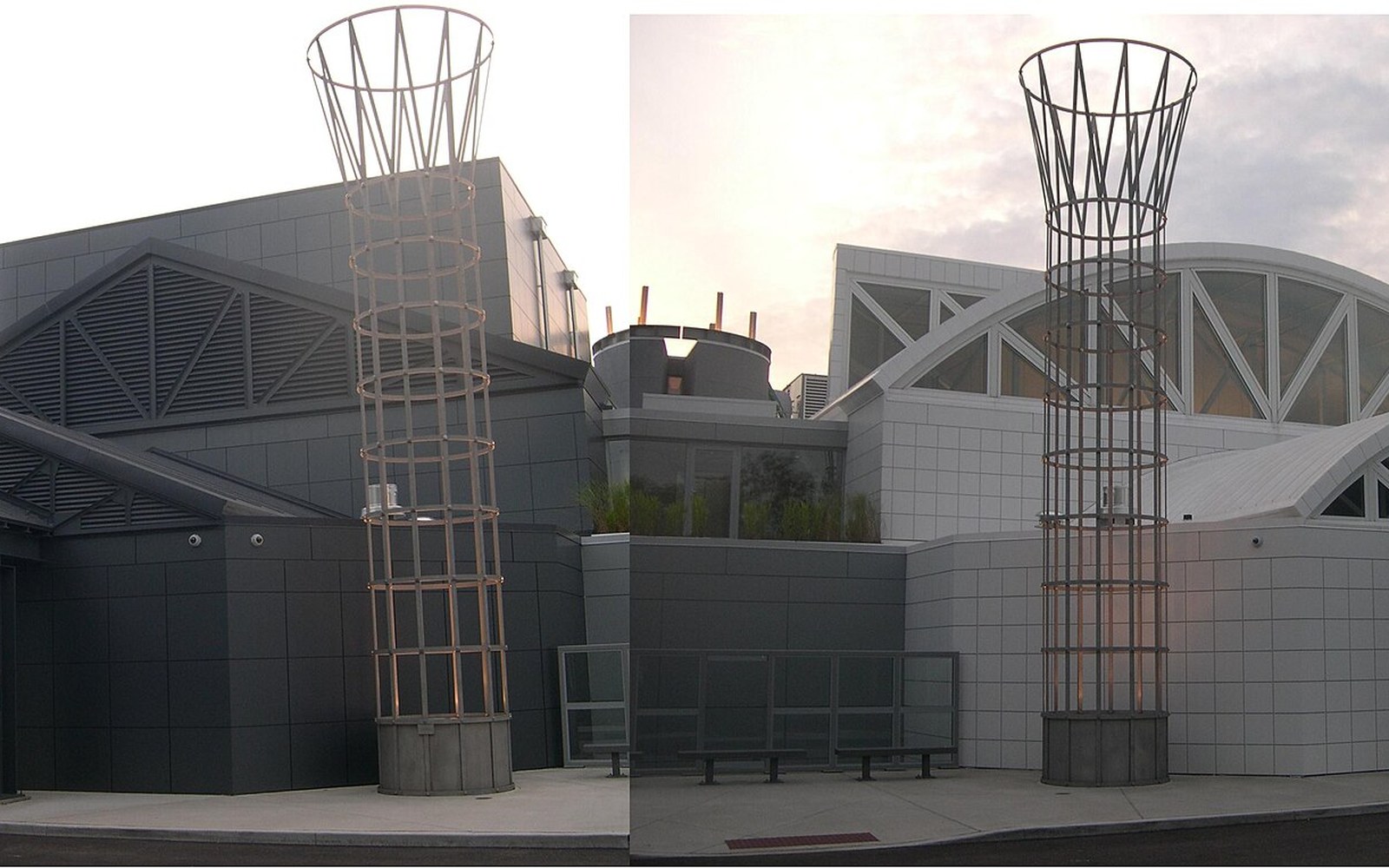
The museum opened in Skokie in 2009 and runs an education programme alongside its collection.
Photo: Illinois Holocaust Museum and Education Center Collage 2 · Wikimedia Commons
The Illinois Holocaust Museum and Education Center opened its doors in Skokie, Illinois, in April 2009. The building, designed by architect Stanley Tigerman, occupies more than 65,000 square feet on Woods Drive, a few miles from Chicago's northern boundary. Its opening followed decades of community effort rooted in Skokie's particular history as a home to a significant survivor population in the postwar decades.
The Collection and Permanent Galleries
The museum holds one of the larger Holocaust-related collections in the United States. Artefacts, documents, personal testimony and media installations are organized across permanent and temporary gallery spaces. The permanent exhibition — The Holocaust: A History of Courage and Resistance — traces the rise of National Socialism in Germany, the systematic persecution and murder of European Jews and other targeted populations, and the experiences of survivors who rebuilt lives after liberation. Testimony from survivors is integrated throughout, including recorded oral histories gathered by the museum's own documentation programme.
The museum also operates a travelling exhibition programme that brings materials to schools and institutions across Illinois and neighbouring states, extending its educational reach well beyond Skokie.
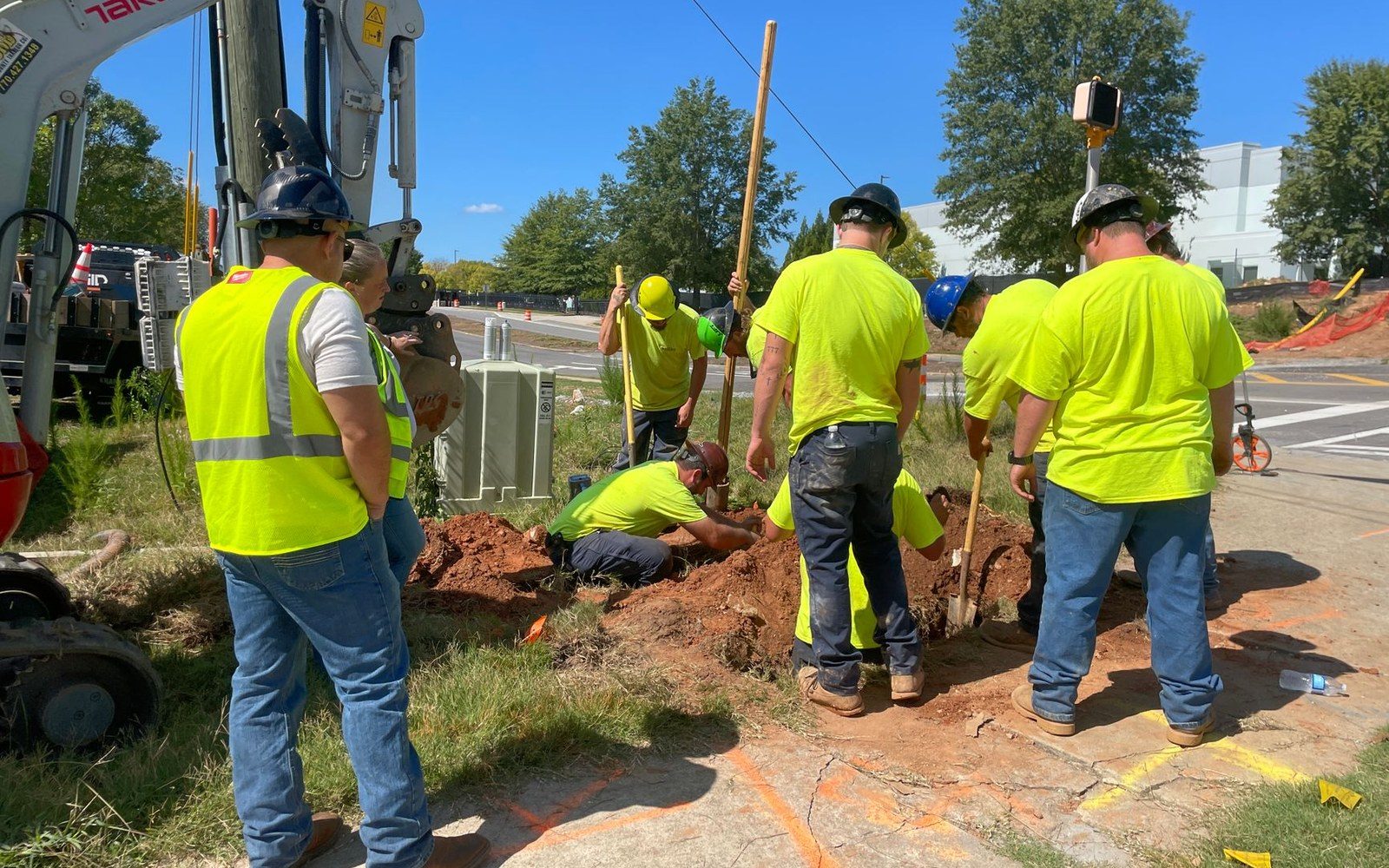
Conduit goes in the parkway strip between sidewalk and kerb, which is why a build is costed in street-miles before it is costed in households.
Photo: Miguel Castillo / Pexels

Feasibility studies are public records, and most of them cite the same handful of towns.
Photo: Artem Podrez / Pexels
Education and Civic Role
Education is central to the institution's stated mission. The museum runs teacher-training workshops, student programming for grades K through 12, and adult programming oriented toward civic engagement and the study of genocide prevention. Its Sam and Helen Staenberg Illinois Resource Center supports educators developing curriculum related to the Holocaust and to broader questions of human rights.
Skokie's civic relationship with the museum is direct. The Village of Skokie supported the institution's development over many years, and the museum operates as a major cultural and educational anchor on the North Shore. It draws visitors from across the Chicago metropolitan region and beyond, and maintains partnerships with public schools, universities and civic organisations.
The institution received accreditation from the American Alliance of Museums, a credential that requires demonstrated compliance with professional standards in collections care, governance and public programming. As of its most recent public reporting, the museum serves hundreds of thousands of visitors annually, with school groups accounting for a substantial share of that attendance.
Its location in Skokie — a village whose postwar demographics gave the institution its founding community — remains inseparable from its identity as a public institution.