The money, and where it stalled
E-Rate Has Been Wiring Schools Since 1997
The oldest federal broadband programme is not BEAD. It predates the word "broadband" as a policy term and keeps running quietly while newer programmes come and go.
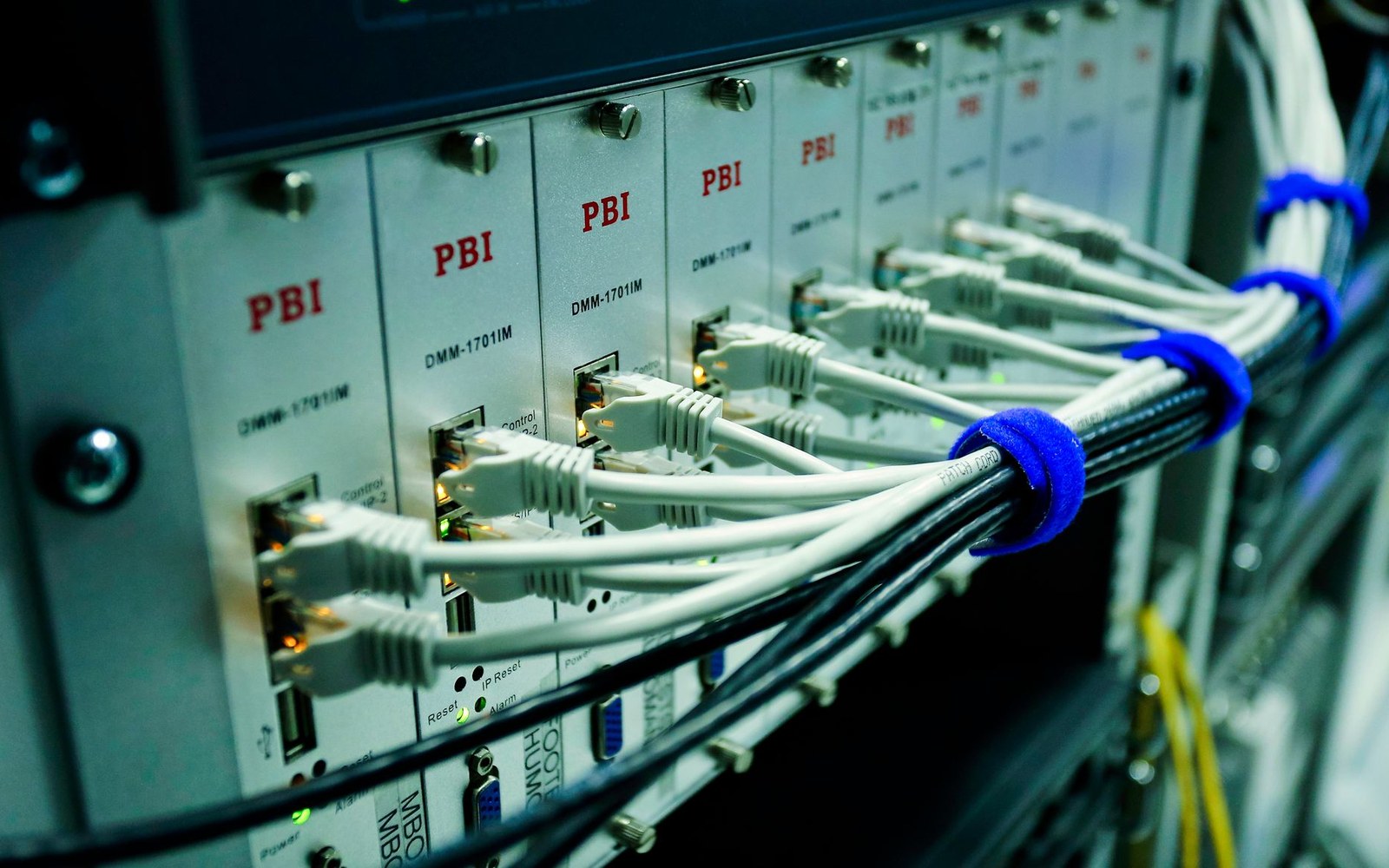
E-Rate pays for the wiring inside institutions as well as the line that reaches them.
Photo: Sergei Starostin / Pexels
A Funding Stream That Outlasted the Dial-Up Era
Congress created E-Rate in 1996 as part of the Telecommunications Act, and the programme began disbursing funds in 1997 under a mandate that public schools and libraries receive affordable telecommunications and internet access. Administered by the Universal Service Administrative Company, USAC collects the money through fees assessed on telecommunications carriers — the same Universal Service Fund mechanism that supports rural telephone subsidies and the low-income Lifeline programme.
Eligible expenditures fall into two categories. Category 1 covers data transmission services and internet access — the connection from a building to the network. Category 2 covers internal connections: routers, switches, wireless access points and the wiring that carries a signal from the wall to a classroom desk. The structure reflects a deliberate federal logic: you cannot use a fibre line if the building's own infrastructure cannot distribute what it carries.
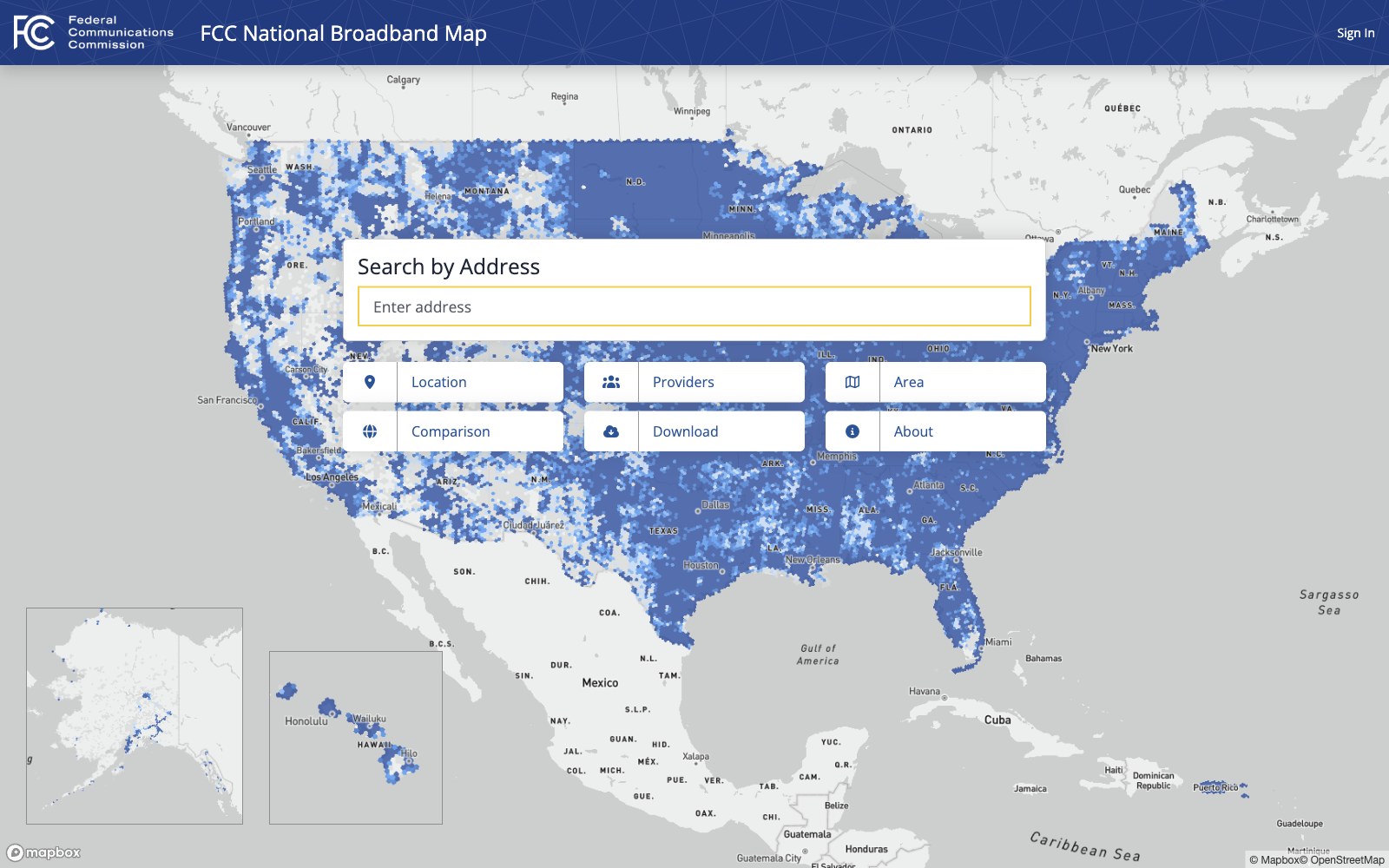
The national map is assembled from provider self-reporting, which is the reason the challenge process exists.
Photo: broadbandmap.fcc.gov

A library's public-computing shelf. The institution was an access point before home broadband was the ordinary case.
Photo: Pixabay / Pexels
Annual E-Rate disbursements have run at roughly $4 billion in recent funding years, according to USAC programme data, making it one of the largest and most durable federal education-technology expenditures in American history. The FCC sets the programme's annual cap and governs eligibility; USAC processes applications and issues commitments.
Placed alongside the other major federal broadband mechanisms of the early 2020s, E-Rate occupies a distinct lane. BEAD — the $42.45 billion infrastructure programme administered by the NTIA — funds the physical construction of networks in unserved and underserved locations. The Affordable Connectivity Program, which exhausted its funding in June 2024, subsidised monthly service bills for low-income households. E-Rate does neither of those things: it pays for connectivity and equipment for educational institutions, year after year, through a self-replenishing fund rather than a one-time appropriation.
That durability is significant. Schools that received Category 1 commitments in 1997 are still eligible applicants today. The programme has survived presidential administrations, FCC chairmen from Reed Hundt — who shepherded its early implementation — to Brendan Carr, and repeated congressional budget disputes. Whatever replaces the ACP, and however slowly BEAD breaks ground, E-Rate continues to disburse.